When one thinks of Agra, the iconic Taj Mahal usually tops the list. But for those who want to dive deeper into India’s rich Mughal history, Akbar’s Tomb in Sikandra is a must-visit. Located just 10 kilometers from the Taj Mahal, this lesser-known gem is a stunning example of Mughal architecture and an essential stop for history lovers and cultural explorers.

Who Was Akbar the Great?

Before we delve into the beauty of the tomb, it’s important to understand who lies beneath it. Akbar the Great, the third emperor of the Mughal dynasty, was known not only for expanding his empire but also for his progressive views, administrative reforms, and efforts toward religious tolerance. His reign (1556–1605) is considered one of the most remarkable in Indian history. Akbar was deeply interested in art, architecture, and philosophy, and his legacy is evident across North India.

The Architectural Marvel of Sikandra

Akbar himself chose the location and started the construction of his tomb during his lifetime a tradition common among Mughal emperors. However, it was his son Jahangir who completed the tomb in 1613. The designers set the monument in the heart of a large, beautiful garden, which they laid out in the charbagh style a quadrilateral garden divided by walkways or flowing water.

The entrance to the complex is grand and imposing, with a massive gateway adorned with intricate inlay work of white marble and red sandstone. This gateway alone gives a hint of the opulence that awaits inside. The main tomb structure is a five-story pyramid-shaped building, distinct from the domed structures seen in other Mughal mausoleums. Its design blends Islamic, Hindu, Buddhist, and Jain architectural styles, reflecting Akbar’s inclusive approach to religion and culture.

Highlights of the Tomb

  1. The Gateway: The south-facing gateway, known as the Buland Darwaza (not to be confused with the one in Fatehpur Sikri), is a masterpiece with four marble minarets and exquisite geometric and floral patterns.
  2. The Garden: The well-maintained Mughal Garden is home to several deer, peacocks, monkeys, and other birds, giving visitors a peaceful and natural ambiance.
  3. The Main Mausoleum: The actual tomb lies in a simple underground chamber, while the upper floors boast detailed carvings, lattice windows (jali work), and frescoes. The use of red sandstone and white marble creates a striking contrast that reflects beautifully in the changing light throughout the day.
  4. Calligraphy and Inlay Work: Verses from the Quran, delicate floral patterns, and mosaic tilework showcase the fine craftsmanship of the Mughal artisans.

Why It Should Be on Your Itinerary

Though often overshadowed by more famous monuments in Agra, Akbar’s Tomb is an essential part of the city’s Mughal heritage. Here are a few reasons why tourists should not skip Sikandra:

  • Historical Significance: It is the final resting place of one of India’s greatest emperors.
  • Architectural Beauty: A unique blend of different Indian architectural styles makes this site visually fascinating.
  • Peaceful Atmosphere: Away from the busy tourist crowds, it offers a serene experience.
  • Photography: The structure, gardens, and wildlife provide plenty of photo opportunities for travelers.

Best Time to Visit

The best time to visit Akbar’s Tomb is between October and March when the weather is pleasant. Early mornings and late afternoons are ideal for photography due to soft natural light and fewer tourists.

Entry Details

  • Timings: 6:00 AM to 6:30 PM (open all days)
  • Entry Fee: INR 30 for Indians, INR 310 for foreign tourists (subject to change)
  • Tips: Wear comfortable shoes, carry water, and respect the sanctity of the tomb.

How to Reach

Taxis, auto-rickshaws, and buses easily reach Sikandra, which is well connected to Agra city. If you’re on a guided Agra tour, ensure your itinerary includes this site.

Conclusion

Akbar’s Tomb at Sikandra is not just a monument it reflects a visionary ruler’s personality, his ideologies, and the timeless art of the Mughal era. While the Taj Mahal and Agra Fort represent grandeur and romance. Sikandra is a silent tribute to wisdom, inclusiveness, and imperial legacy. No trip to Agra is truly complete without visiting this remarkable site.

Delhi, the capital of India, is a city steeped in history, culture, and royal legacy. While it’s widely known for its bustling streets, vibrant bazaars, and diverse cuisine, Delhi is also home to several magnificent palaces and historic structures that tell stories of bygone eras. These royal residences and fortresses showcase the grandeur of Mughal, British, and regional Indian architecture, offering visitors a glimpse into the opulent lifestyles of emperors and rulers who once governed the region. Here are the most Famous Tourist Palaces in Delhi Sightseeing.

  1. Red Fort (Lal Qila)

The Red Fort is arguably the most iconic palace fort in Delhi. Built in 1648 by Mughal Emperor Shah Jahan, the same ruler who commissioned the Taj Mahal, the fort served as the main residence of the Mughal emperors for nearly 200 years. Made of striking red sandstone, the fort is a UNESCO World Heritage Site and a symbol of India’s rich Mughal history.

Inside the fort, visitors can explore the Diwan-i-Aam (Hall of Public Audience), Diwan-I-Khas (Hall of Private Audience), Rang Mahal (Palace of Colors), and other beautifully constructed pavilions and gardens. Every year on Independence Day, the Indian Prime Minister hoists the national flag here, making it a site of immense historical significance.

  1. Rashtrapati Bhavan

Rashtrapati Bhavan, the official residence of the President of India, is one of the most magnificent buildings in the country. Originally built as the Viceroy’s House during British rule, this sprawling estate was designed by Sir Edwin Lutyens and Herbert Baker. The structure is a blend of classical Western and Indian styles and features 340 rooms, including grand halls, offices, guest rooms, and extensive gardens.

The Mughal Gardens, open to the public during spring, are especially popular for their colorful flower beds, fountains, and symmetrical layouts. Guided tours are available, offering insights into the architecture and historical importance of the estate.

  1. Humayun’s Tomb

While technically a tomb, Humayun’s Tomb is often regarded as a palace of eternal rest due to its magnificent design and palace-like grandeur. Built in 1570 by Empress Bega Begum in memory of her husband, Mughal Emperor Humayun, this structure was the first garden-tomb in the Indian subcontinent and served as an inspiration for the Taj Mahal.

The tomb is set in the middle of a Charbagh (four-part) garden with water channels, fountains, and symmetrical pathways. Its red sandstone façade with white marble detailing creates a breathtaking sight, especially during sunrise and sunset.

  1. Zafar Mahal

Located in the heart of Mehrauli, the Mughal emperors built Zafar Mahal as the last monumental structure. Emperor Akbar Shah II constructed this lesser-known yet historically important palace, and Bahadur Shah Zafar, the last Mughal emperor, later completed it. The purpose of the palace was to serve as a summer retreat and hunting lodge.

Though in ruins today, Zafar Mahal still holds an old-world charm with its arched gateways and views of nearby dargahs and gardens. It’s a quiet and culturally rich stop for those interested in Delhi’s lesser-explored Mughal heritage.

  1. Safdarjung’s Tomb

Safdarjung’s Tomb is another beautiful palace-like structure that combines Indo-Islamic and Mughal architecture. The construction of the tomb in 1754 for Safdarjung, the Nawab of Oudh, placed it within a large garden complex with fountains, pathways, and pavilions, making it resemble a grand palace more than a mausoleum.

The central structure features a large dome, minarets, and finely decorated interiors. Though smaller than Humayun’s Tomb, it offers peaceful surroundings and fewer crowds ideal for travelers seeking a quieter sightseeing experience.

How to Reach Delhi

Multiple modes of transport connect the rest of India and the world to Delhi.

By Air:

Indira Gandhi International Airport (DEL) is among the busiest airports in India, with flights connecting major Indian cities and international destinations. From the airport, you can easily reach central Delhi by taxi, metro, or bus.

By Train:

Delhi has several major railway stations including New Delhi, Old Delhi, Hazrat Nizamuddin, and Anand Vihar. Express and superfast trains well connect these stations to every part of the country.

By Road:

A well-maintained network of national highways connects Delhi to nearby states like Haryana, Uttar Pradesh, Punjab, and Rajasthan. Interstate buses, taxis, and private vehicles make road travel easy and convenient.

Local Transport:

Delhi offers multiple transport options for local sightseeing Delhi Metro, auto-rickshaws, app-based cabs, and guided bus tours by Delhi Tourism. The Delhi Metro is the fastest and most affordable way to travel between historical sites.

Conclusion

Delhi is not just the political capital of India. It is also a city that preserves centuries of royal legacy through its palaces and monuments. From the majestic Red Fort to the presidential grandeur of Rashtrapati Bhavan. Each site offers a unique perspective on the city’s rich history and architecture. Whether you’re a history enthusiast, an architecture lover, or a curious traveler, Delhi’s palaces promise an unforgettable journey through time.

Jaipur, fondly known as the Pink City, is the capital of Rajasthan and a gem in India’s cultural crown. Renowned for its royal heritage, majestic palaces, and vibrant markets, Jaipur offers a truly regal experience to every traveler. Among its many attractions, the city’s palaces stand out as symbols of grandeur, history, and architectural brilliance. Here’s a look at the most Famous Tourist Palaces in Jaipur Sightseeing that you must include in your sightseeing itinerary.

  1. City Palace

Located in the heart of Jaipur, the City Palace is a magnificent blend of Mughal and Rajasthani architecture. Built by Maharaja Sawai Jai Singh II in the early 18th century, the palace complex houses several courtyards, gardens, and buildings. The Chandra Mahal within the complex still serves as the residence of the royal family, while the rest of the palace has been converted into a museum displaying royal costumes, artifacts, and weapons.

The stunning gateways such as the Peacock Gate and the Rajendra Pol, along with intricately carved balconies and jharokhas (windows), offer fantastic photo opportunities and a glimpse into Rajasthan’s regal past.

  1. Hawa Mahal (Palace of Winds)

Perhaps the most iconic structure in Jaipur, the Hawa Mahal was built in 1799 by Maharaja Sawai Pratap Singh. This five-story pink sandstone palace resembles a honeycomb with its 953 small windows or ‘jharokhas’. These windows were designed to allow royal ladies to observe street festivities without being seen, in line with the practice of purdah.

From the top floors, you can enjoy panoramic views of Jaipur’s bustling streets and the nearby City Palace and Jantar Mantar. A visit to Hawa Mahal is both visually and culturally enriching.

  1. Amber Fort and Palace

Located about 11 kilometers from Jaipur city, the Amber Fort (or Amer Fort) is a majestic palace complex on a hill overlooking Maota Lake. Built in the 16th century by Raja Man Singh I, the fort is a stunning example of Rajput-Mughal architecture. Its large ramparts, cobbled paths, and grand gates give it a fortress-like look, but the interiors tell a different story.

Don’t miss the Sheesh Mahal (Mirror Palace), with thousands of mirror tiles reflecting even a single ray of light. The light and sound show in the evening narrates the glorious history of the fort and Jaipur’s royal lineage.

  1. Jal Mahal (Water Palace)

Set in the middle of the serene Man Sagar Lake, the Jal Mahal is an architectural marvel that seems to float on water. This palace was built in the 18th century by Maharaja Madho Singh I as a leisure retreat. Though entry inside the palace is restricted, tourists can enjoy its beauty from the banks of the lake or during boat rides.

The calm surroundings, migratory birds, and scenic beauty make Jal Mahal a favorite stop for photographers and nature lovers.

  1. Nahargarh Fort

Perched on the Aravalli Hills, Nahargarh Fort offers breathtaking views of the Pink City, especially during sunset. Originally built in 1734 by Maharaja Sawai Jai Singh II, it served as a retreat for the royal family. The palace within the fort, known as Madhavendra Bhawan, features suites for the king and his queens, each interconnected by secret passages.

Today, Nahargarh is also home to a museum and a café, making it a perfect mix of heritage and leisure. The surrounding area is great for short treks and photo ops.

  1. Jaigarh Fort

Often referred to as the “Victory Fort,” Jaigarh Fort is located near Amber Fort and was built primarily for defense. It houses the world’s largest cannon on wheels – the Jaivana Cannon. The fort has underground water tanks, palaces, granaries, and stunning watchtowers. Unlike the decorative Amber Fort, Jaigarh has a rugged charm that reflects its military importance.

From the ramparts, you get sweeping views of the Aravalli range and the Amber Fort below, making it an essential stop for history buffs and adventure seekers.

How to Reach Jaipur

Jaipur is well-connected to all major cities in India and is easily accessible by air, rail, and road.

By Air:

Jaipur International Airport (JAI) is located about 12 kilometers from the city center and offers both domestic and limited international flights. You can get direct flights from cities like Delhi, Mumbai, Bangalore, Kolkata, and Hyderabad. From the airport, taxis and app-based cabs are available for convenient city transfers.

By Train:

Jaipur Junction is one of the busiest railway stations in Rajasthan and is connected to major cities across India. Trains like the Shatabdi Express and Rajdhani Express offer fast and comfortable options from Delhi and Mumbai. Local autos and prepaid taxis are available outside the station for local travel.

By Road:

Jaipur has excellent road connectivity via national highways. The Delhi Jaipur Expressway (NH48) makes it a popular weekend getaway for Delhi residents, with a travel time of around 5 to 6 hours by car or bus. Regular Volvo and deluxe buses run from nearby cities like Delhi, Agra, and Udaipur.

Local Transport in Jaipur:

For sightseeing, tourists can hire taxis, auto-rickshaws, or use app-based cab services. Rajasthan Tourism also offers guided tours and buses for hassle-free palace visits.

Conclusion

Jaipur is a city where history lives and breathes in its palaces. Each palace tells a story of royal elegance, fierce battles, and architectural brilliance. Whether you are a history enthusiast, an architecture lover, or a casual traveler, Jaipur’s palaces offer an unforgettable experience of India’s royal past. So, the next time you plan your trip, ensure these majestic landmarks are part of your Jaipur sightseeing itinerary.

Agra, a city steeped in history and romance, is best known for the Taj Mahal. But this iconic monument is just one of many treasures that make Agra a must-visit destination in India. Located in the northern state of Uttar Pradesh and once the capital of the Mughal Empire, Agra boasts a wealth of historical sites, architectural wonders, and cultural experiences. Whether you’re a history buff, architecture enthusiast, or simply a curious traveler, here are the Best Tourist Places in Agra you should not miss.

  1. Taj Mahal: The Jewel of India

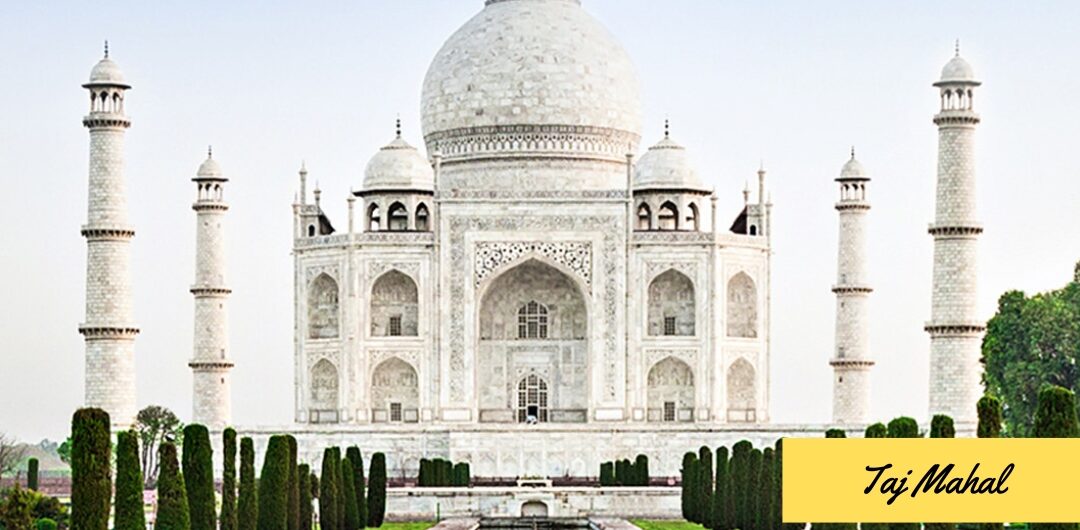
No visit to Agra is complete without witnessing the majestic Taj Mahal. Built by Emperor Shah Jahan in memory of his wife Mumtaz Mahal, this white marble mausoleum is a symbol of eternal love. It is a UNESCO World Heritage Site and one of the Seven Wonders of the World. Visit during sunrise or sunset for the most breathtaking views.

  1. Agra Fort: A Mughal Masterpiece

Just 2.5 kilometers from the Taj Mahal lies the Agra Fort, another UNESCO World Heritage Site. Built primarily by Emperor Akbar in red sandstone, this massive fortress served as the main residence of the Mughal emperors for generations. Inside, you’ll find palaces, mosques, courtyards, and the famous Musamman Burj, where Shah Jahan was imprisoned and gazed upon the Taj Mahal in his final days.

  1. Mehtab Bagh: The Sunset Point

Located across the Yamuna River, Mehtab Bagh (Moonlight Garden) offers a unique and serene view of the Taj Mahal. It’s a lesser known but highly recommended spot, especially at sunset, when the monument reflects beautifully in the waters. The garden was originally built by Babur, the founder of the Mughal dynasty.

  1. Tomb of Itimad-ud-Daulah: The Baby Taj

Often called the “Baby Taj,” this exquisite tomb is considered a draft version of the Taj Mahal. Built by Nur Jahan for her father Mirza Ghiyas Beg, the Itimad-ud-Daulah tomb is adorned with intricate marble inlay work and delicate carvings. It is smaller but equally elegant, showcasing early Mughal architecture with a Persian influence.

  1. Fatehpur Sikri: The Forgotten Capital

Located around 40 kilometers from Agra, Fatehpur Sikri was once the Mughal capital under Emperor Akbar. The city was later abandoned due to water shortages, but its well-preserved red sandstone buildings still stand strong. Key attractions here include Buland Darwaza, Jama Masjid, Panch Mahal, and Tomb of Salim Chishti. It’s a historical site that offers insight into Mughal planning and design.

  1. Akbar’s Tomb, Sikandra

Located in Sikandra, just a short drive from central Agra, this is the final resting place of Emperor Akbar. The tomb is an excellent example of Mughal architecture, blending Hindu, Islamic, Buddhist, and Christian motifs. Surrounded by lush gardens and peacocks, it’s a peaceful and picturesque site often overlooked by tourists.

  1. Jama Masjid

Situated opposite Agra Fort, the Jama Masjid is one of the largest mosques in India. Built by Shah Jahan for his daughter Jahanara Begum, this mosque is known for its massive prayer hall, elegant domes, and intricately designed minarets. It remains an active place of worship and a site of spiritual and historical importance.

How to Reach Agra

Agra is easily accessible from major cities across India:

  • By Train: Agra is well-connected by rail. The Agra Cantt railway station is the main station and is served by many express and superfast trains from Delhi, Jaipur, Mumbai, Lucknow, and Kolkata.
  • By Road: Agra is about 230 km from Delhi and can be reached via the Yamuna Expressway in just 3-4 hours. Regular buses and taxis also operate from Delhi and nearby cities.
  • By Air: Agra Airport (Kheria Airport) has limited domestic flights. The nearest major airport is Indira Gandhi International Airport in Delhi, about 3-4 hours away by road.
  • Local Transport: Within Agra, you can use auto-rickshaws, taxis, e-rickshaws, and local buses to travel between attractions.

Conclusion

Agra is much more than just the home of the Taj Mahal. From majestic forts and tranquil gardens to intricate tombs and vibrant markets, the city offers a rich tapestry of experiences. Whether you’re on a day trip from Delhi or planning a longer stay, these tourist spots will give you a deeper appreciation of India’s Mughal legacy and architectural brilliance. Don’t forget to try the famous Agra petha and shop for marble souvenirs before you leave!

The Taj Mahal, one of the Seven Wonders of the World, is much more than just a beautiful white marble monument. Located in Agra, India, it is a symbol of eternal love, architectural brilliance, and India’s rich history. While millions visit the Taj each year, there are still many fascinating facts that most people don’t know. Let’s explore some of the most Interesting Facts About the Taj Mahal.

A Monument of Love

The Taj Mahal was commissioned by the Mughal Emperor Shah Jahan in 1632 in memory of his beloved wife Mumtaz Mahal, who died during childbirth. The emperor was heartbroken and vowed to build the most beautiful mausoleum the world had ever seen. It took over 20,000 artisans and 22 years to complete the masterpiece, which was finally finished in 1653.

Perfect Symmetry — With One Exception

One of the most remarkable aspects of the Taj Mahal is its perfect symmetry. Everything from the gardens to the minarets is balanced on either side. However, there is one deliberate flaw: the tomb of Shah Jahan himself. Originally, the emperor was not supposed to be buried there, but after his death, he was laid to rest next to Mumtaz Mahal, slightly disrupting the symmetry. This break in balance actually draws more attention to the depth of his love.

Color-Changing Marble

The Taj Mahal appears to change color depending on the time of day and the light. In the morning, it glows a soft pink; by afternoon, it turns a bright white; and under the moonlight, it appears almost golden or blue. This changing appearance symbolizes the changing moods of Mumtaz Mahal, according to local legends.

Imported Materials from Around the World

To create the stunning design, materials were sourced from across India and beyond. The white marble came from Makrana, Rajasthan; jade and crystal from China; turquoise from Tibet; sapphires from Sri Lanka; and lapis lazuli from Afghanistan. These materials were inlaid into the marble using a technique called pietra dura, forming the beautiful floral patterns that decorate the building.

No Architectural Blueprints

Despite its complex design, no blueprints or engineering documents have been found for the Taj Mahal. Historians believe that the architecture was passed down orally and executed using scaled models and drawings made on site. This speaks volumes about the skill and knowledge of the Mughal craftsmen.

The Minarets Are Built to Fall Away

Each of the four minarets surrounding the Taj Mahal leans slightly outward. This clever design was intentional in the event of an earthquake or structural failure, the minarets would fall away from the central tomb, thereby protecting it from damage. This is an early example of earthquake-resistant architecture.

British Restoration and Garden Redesign

During the British colonial period, the Taj Mahal fell into disrepair. Lord Curzon, the British Viceroy of India, ordered its restoration in the early 20th century. Interestingly, the original Persian-style gardens were redesigned to reflect the formal lawns of British tastes, which is why the gardens today may not fully represent the original Mughal vision.

A Threatened Masterpiece

Despite its glory, the Taj Mahal faces threats from pollution, acid rain, and environmental degradation. The Indian government has implemented measures to control vehicle emissions and industrial pollution in the surrounding area to preserve this UNESCO World Heritage Site for future generations.

Conclusion

The Taj Mahal is not just a monument; it’s a living story carved in stone of love, loss, art, and legacy. Whether you’re drawn by its beauty, its history, or its symbolism, the Taj continues to inspire awe in all who visit. It remains a shining example of India’s cultural and architectural heritage, deserving of every bit of wonder it inspires.

When you think of Agra, your mind instantly paints a picture of the magnificent Taj Mahal. But Agra is much more than just this iconic monument! It’s a living canvas of history, art, and vibrant culture waiting to be explored. So, buckle up we’re diving into all the exciting cultural activities you can soak in while touring the Taj Mahal. Cultural Activities in Agra with Taj Mahal Tour.

Why Agra is a Cultural Hub

Agra is a treasure trove of historical wonders and cultural richness. The city served as the capital of the Mughal Empire, and their influence still echoes through its grand architecture, art, and traditions. From mighty forts to bustling local markets, Agra offers a cultural experience unlike any other.

Taj Mahal – The Crown Jewel

The Taj Mahal isn’t just a world wonder; it’s a symbol of eternal love and exquisite craftsmanship. Built by Emperor Shah Jahan for his beloved wife Mumtaz Mahal, the Taj showcases intricate marble inlay work and symmetrical beauty that’s simply breathtaking. Visiting this marvel is like stepping into a dream woven with white marble.

Exploring Agra Beyond the Taj Mahal

Sure, the Taj Mahal is mesmerizing, but Agra’s cultural offerings stretch far beyond it.

Agra Fort – A Living Legacy

Step into the mighty Agra Fort and feel the pulse of Mughal history. Walk through the red sandstone walls, glimpse into royal chambers, and soak in the stunning views of the Taj from its balconies.

Fatehpur Sikri – A Ghost City Full of Life

Just a short drive away lies Fatehpur Sikri, a UNESCO World Heritage Site. Though it’s called a “ghost city,” the stunning palaces, mosques, and courtyards tell tales of a once-bustling empire.

Local Markets and Shopping Experience

No cultural trip is complete without a shopping spree! Agra’s markets are a vibrant mix of colors, crafts, and chaos.

  • Kinari Bazaar: Perfect for picking up jewelry, textiles, and traditional wear.
  • Sadar Bazaar: Your go-to for leather goods, handicrafts, and souvenirs.

Culinary Delights in Agra

Agra isn’t just a feast for the eyes; it’s a paradise for food lovers too!

Street Food Tour

Craving something sweet? Try the iconic Agra Petha! Want something spicy? Sink your teeth into spicy chaat at a local stall. Every bite is a burst of flavor and tradition.

Witness Cultural Performances

After a day of sightseeing, sit back and enjoy a mesmerizing live show at the Kalakriti Cultural and Convention Center. Watch the story of the Taj Mahal unfold through breathtaking dance and drama performances.

Art and Craft Tours

If you love art, you’re in for a treat! Agra is famous for its marble inlay work the same technique used in building the Taj Mahal. Visit local artisans and even try your hand at creating a piece.

Handicraft villages around Agra also offer a glimpse into age old skills passed down through generations.

Traditional Festivals and Celebrations

Agra bursts into vibrant colors during festivals.

  • Taj Mahotsav: A 10-day extravaganza celebrating art, crafts, and culture near the Taj Mahal.
  • Diwali and Holi: Witness the city lighting up with joy, music, dance, and endless colors.

River Yamuna Boat Ride

Ever dreamed of seeing the Taj Mahal from the water? A serene boat ride on the Yamuna River gives you a unique and peaceful perspective of the monument, especially at sunrise or sunset. Pure magic!

Heritage Walks Around Old Agra

Put on your walking shoes and wander through the alleys of Old Agra. Heritage walks take you through bustling streets, ancient mosques, local bazaars, and hidden gems you’d otherwise miss.

Conclusion

A trip to Agra is not just about checking the Taj Mahal off your bucket list it’s about diving headfirst into a vibrant pool of culture, history, art, and flavors. From royal forts to colorful bazaars, lively festivals to quiet boat rides, Agra has a cultural heartbeat you simply must experience firsthand.

The Taj Mahal a timeless symbol of love and one of the most visited landmarks in the world is a must-see on any trip to India. Located in Agra, just a few hours from Delhi, the Taj Mahal is easily accessible for travelers of all budgets. If you’re planning a budget trip from Delhi to the Taj Mahal, customizing your tour can help you save money without missing out on the experience. Here’s how you can plan the perfect budget-friendly Taj Mahal tour from Delhi.

How to Reach the Taj Mahal from Delhi

Agra is well connected to Delhi by road, rail, and air, making it easy to choose the travel mode that best suits your budget and time.

By Train:
Trains are one of the fastest and most economical ways to travel from Delhi to Agra. The Gatimaan Express and Shatabdi Express are popular options, taking around 1.5 to 2 hours to reach Agra Cantt Railway Station. You can book tickets online through the Indian Railways website or apps like IRCTC.

By Bus:
For an even more affordable option, government and private buses regularly operate between Delhi and Agra. The journey takes around 3–4 hours. You can catch a bus from Delhi’s Sarai Kale Khan ISBT (Interstate Bus Terminal) to Agra.

By Car:
If you prefer flexibility, you can hire a private taxi or rent a car. Traveling via the Yamuna Expressway, the drive from Delhi to Agra takes about 3 hours. If you are traveling with a group, this can be a cost-effective and comfortable option.

By Air:
Though there are flights between Delhi and Agra, they are not very frequent. Given the short distance, traveling by train, bus, or car is usually more practical and budget friendly.

Choose the Right Mode of Transportation
Transportation is one of the most significant factors affecting your budget. As mentioned, trains and buses are the best options for budget travelers. However, sharing a cab with other tourists can also be an affordable and more comfortable choice, especially if you want to travel early in the morning or late at night.

opts for a Local Guide Instead of a Full Tour Package
Many travel agencies offer complete tour packages, but these often include costs for services you might not need. Instead, consider hiring a local guide at the entrance of the Taj Mahal. They charge reasonable rates and can provide authentic, in depth information about the monument’s history and architecture. By paying only for a guide, you cut out the extra costs of transportation, meals, and commissions included in bigger packages.

Pick Budget-Friendly Accommodation
If you plan to stay overnight in Agra, choose budget hotels or guesthouses located near the Taj Mahal. Many lodges offer clean, basic rooms at affordable prices. Some even provide views of the Taj from their rooftops! Booking your stay online in advance can help you secure better deals and sometimes include free breakfast, saving you even more money.

Plan Your Visit During Off-Peak Hours
Timing your visit can also impact your overall experience and budget. Visiting the Taj Mahal early in the morning not only allows you to avoid large crowds but also helps in avoiding the peak pricing of transportation and services. Entry fees are standard, but fewer tourists mean better opportunities to negotiate lower prices for local services like tuk-tuk rides and guide fees.

Combine Sightseeing Smartly
Instead of booking separate tours for every attraction, plan your own itinerary. Besides the Taj Mahal, Agra is home to several must-see spots like Agra Fort, Mehtab Bagh (a garden with a beautiful view of the Taj), and the Tomb of Itimad-ud-Daulah (often called the “Baby Taj”). These sites are relatively close to each other, and you can easily negotiate a package rate with a local tuk-tuk driver for a full-day tour of Agra’s highlights.

Book Online Tickets
Skip the long queues and save time by booking your Taj Mahal entry tickets online through the official website. Sometimes, there are slight discounts for online bookings. Plus, you’ll avoid paying extra to agents who charge a fee to stand in line for you.

Final Thoughts
A visit to the Taj Mahal doesn’t have to break the bank. By making smart choices about transportation, accommodation, guides, and food, you can customize a memorable and affordable day trip or overnight tour from Delhi. With a little planning, you can enjoy the magic of the Taj Mahal without stretching your wallet.

Sunrise is the best time to visit Taj mahal specially during the hot summer months. In this tour you are picked up from your specific location in the early wee hours of the day, Your experienced driver will drive you to Agra using the yamuna express way. The pre dawn hours are the best time specially during the hot summer months as the temperature soars to around 45 degree Celsius in the day time in this part of India. The morning is the perfect time to explore and experience the ethereal beauty of the Taj mahal. The rising sun and the first rays when they fall on white marble of the taj present a never to be forgotten spectacle. Listen to the love story of the emperor Shahjehan orated by your able story teller guide.

Why should you choose a sunrise tour?
1:-Crowds-Tajmahal attracts hordes of visitors, this number keeps on rising during the day time to beat this crowd the best strategy is to visit Tajmahal as it opens for the day at sunrise.
2:-Views-The view of the morning sunrays as they kiss the white marble tajmahal is heavenly. The atmosphere is the cleanest in the morning, the white marble shines and reflects the orange hued morning sun presenting a never to be forgotten picture.
3:-Weather:- The hot summer months are scorching as the temperature soars above 45 degree Celsius the morning’s are the most blessed and coolest time of the day making sunrise tour the most sought after tour of the Taj mahal. Do remember to visit Tajmahal at sunrise specially during the hot summer months.
4:-More time to explore :- As you start early you get to have ample of time to explore other Mughal monuments of Agra specially Fatehpur Sikri a world heritage monument located at a distance of around 45 km from Agra. Since you have started your day early this gives you an advantage and easily you can explore all these monuments later in the day.

Sunrise Taj mahal Tour Itinerary
1:- Early morning start: – We start very early in the day as we pick you up from your respective hotel / residence in Delhi, the start-up time should be around 2:30 AM. Your trusted driver will drive you through a state of art modern highway. Drive to Agra will take around 3 – 3.5 hrs. You will sure reach Taj Mahal before the sunrise.
2:- Morning sunrise at the Taj Mahal :- The sunrise is the best time of the day specially during the hot summers months. As you have started early you have reached Taj Mahal at sunrise, meet your master story teller guide who will lead you through the security at the Taj Mahal gate. The rising sun presents the opportunity to explore Taj Mahal and create memories you will never forget. Hear the story of love and bygone splendour of the Great Mughals .
3:- Breakfast :- After the Taj Mahal sojourn enjoy morning breakfast at a famous hotel / restaurant of Agra. Choose continental / Indian / Chinese breakfast
4:-Agra Fort: – After breakfast explore the towering Agra Fort. The high bastions and the ramparts of the fort tell a mute story of the bygone era explore the series of palaces inside hear to the tales of valour, love, sacrifice, deceit the stories of the Mughals and the empire.
5:- Mehtab Bagh: – If you are desirous you can also visit Mehtab Bagh known popularly as moon shine gardens. The Emperor made this garden to enjoy the spectacle of Taj Mahal in the moon clad nights.
6:-Drive back to Delhi: – After the tour your trusted driver will drive you all the way back to your respective hotel / residence in Delhi.

Why choose the sunrise Taj Mahal tour?
1: Weather: – Agra for most time of the year remains hot so you can escape the day heat by visiting Taj Mahal at sunrise the best time of the day with best weather and temperature.
2: Photography: – The first sunrays falling on the white marble present a myriad you will never forget, when you catch these moments in photos you get life time memories.
3: Crowds: – Taj Mahal is world’s most popular attraction attracting hundreds of visitors every day and most of them are Indians, Indians usually start their day late so you can beat the crowds by visiting Taj Mahal at sunrise.

Inclusions
1: A very good taxi car driven by an English speaking driver.
2: Lunch at a good restaurant in Agra.
3: Entrance to the monuments.
4: English speaking Government of India approved very good tour guide who will narrate all the history and architecture.
5: Drinking water while you are driven in the car.
Exclusions
1: Gratuities and tips if any.
2: Beverage including alcohol.
3: Meals apart from those included in the itinerary.

Taj Mahal Tours

If you have plans to visit the taj mahal then you must also be thinking of hiring a tour guide who will facilitate your visit. Without a proper guide it takes more effort and time to accomplish a particular task.

How many kind of guides are authorised to guide the tourist at taj mahal?

Ans – there are three kinds of guides who are authorised to work as guides at the taj mahal.

  • Department of tourism approved tour guide. These are tour guides who have been imparted training after selection by Ministry of tourism Government of India. They have been guiding tourist at the Indian monuments since last 60 odd years. These tour guides are authorised to work at all the destinations of India. This licence is the most coveted in the arena of tour guides. The department of tourism guides are further classified as per the experience.
  1. Platinum category – The tour guides who have experienced of more than 25 years are classified as the platinum category tour guide. It is said as you age you grow wiser so naturally this category of tour guides is the most experienced, the tour guides are also known as story tellers so the more you know the better story you will tell.
  2. The diamond category – These are the department of tourism approved guide who have more than 15 years of experience working as tour guide. These are a perfect balance of youth and experience. They are not very old but have years of experience in guiding the tourist at taj mahal.
  3. The Gold category – These are the youngest lot of the government of India tour guide. They have been perfectly curated for the job of tour guide.


  • Utter Pradesh tourism approved tour guide – Agra the city of Taj Mahal lies in the Indian state of Uttar Pradesh, to facilitate the tourism activity in the state of Uttar Pradesh the government of Uttar Pradesh also inducts and trains guides who authorised to work in monuments which are in the state of Uttar Pradesh., there is no further sub categorisation of the guides categorised as UP tourism guides.
  • Stay Guides – These are the guides who pleaded before the judiciary and got stay for working as guide at Taj Mahal. The stay is valid till the decision is made in the particular court case. This category is not a valid legal category of guides and are not trained or inducted by any authority.


Ques- Are language Guides available at Taj Mahal

Ans – yes Guides of languages such as English, French, Italian, German, Spanish, Chinese, Japanese, Russian are available at the Taj Mahal. No Korean, Hebrew, Bulgarian, Hungarian, Arabic, Persian, Polish are available at Taj Mahal. Indian language guides speaking Bengali, Punjabi, Sindhi, Hindi, Gujrati are also available at Taj Mahal. Tamil Telegu, Malayam, Kannad, Assamese language guides are not available at the Taj Mahal.

How to book a guide for Taj Mahal tour?

Ans – You can book a tour guide for Taj Mahal online as well as offline.

  1. Offline – You can book a tour guide from a office of the department of tourism government of India at Mall road Agra. You can also book a tour guide from UP Tourism office near hotel Clarks shiraj. You can also book tour guide from government of India approved tour operators like S.A.M Tours & Travels.
  2. Online – You can book a tour guide online easily from Government of India approved tour operators. You can also get a list of the guides along with their contact number from department of tourism website/IATO website/UP tourism website. It is better to pre book a tour guide before your tour of the Taj Mahal.

Quest- what are the charges for booking a tour guide at Taj Mahal?

Ans – the wages of the tour guide are dependent upon many factors like language, duration of the tour, strength of the tour group.

  1. Language – For a foreign language (Except English) extra charges are supposed to be paid to the guide. Minimum – 600 INR maximum -1000 INR depending upon the strengthen of the tour group.
  2. Duration of the tour – The tour is categorised as half/full day depending upon the number of hours/monuments visited. If only Taj Mahal is visited it is considered as a half day job while visit to the three monuments comes under a full day job. The minimum wages for the half day English speaking guide for a tour of Taj Mahal is 2050 INR while for full day tour charges are 2500 INR.
  3. Number of persons – The wages of the guides is also dependent on the strength of the tourist group. The minimum wages are for strength up to 1-5 person, as the strength of the group rises so does the wage of the guide employed.

Ques- Who decides the wages of the approved guide?

Ans – The wages of the guides are decided and updated by the department of tourism Government of India in consultation with tourism bodies like IATO (Indian Association of Tour Operator) TGFI (Tourist Guide federation of India). These wages are revised every two years.

Ques- What are the current valid guide wages for approved guide at Taj Mahal.

A visit to the Taj Mahal is the most important part of your India tour. The memories created at the Taj Mahal are the most cherished ones, the beauty and the charisma of the Taj Mahal is such you wil never ever forget but before finalizing the plan to the trip to the Taj Mahal do read this very important frequently asked questionnaire. We have tried to incorporate the most important and relevant questions regarding the Taj Mahal.

Questions 1 – Are guides and photographer available at the Taj Mahal?

Ans – yes, the guides and photographers are available at the Taj Mahal, the professional tour guides approved by government of India are available near both the entry gates to the Taj Mahal. but if you require language guides for languages other than Hindi/Indian languages/English, then contact your tour operator as he will sure provide you a better option. In Agra guides are available for langues such as Italian,german,French,Spanish,chinese Japanese, etc. The guides speaking the foregn languages are less in comparison to the guide speaking English so it’s better to hire them in advance before your tour.

The professional photographers are available inside the Taj Mahal. Their rate list is also displayed inside. You can easily hire them for best professional photographs.

Ques. 02 – what are the visiting hour for the Taj Mahal visit?

Ans – The Taj Mahal and other archaeological monuments in Agra are open from sunrise to sunset, remember the sunrise and sunset timings differ with the season. The sunrise in summer usually happens at 05:30 am the ticket window opens half an hour before the same. In winter the sunrise happens at 07:00 am. The ticket window opens half an hour before the same. Similarly, the sunset at 07:00 pm in summers while in winters the sunset happens at 05:15 pm.

Quest 03 – What are the ticket prices for the Taj Mahal?

Ans – The price of the Taj Mahal ticket depends on your nationality.

Indian nationals – They have to buy ticket for 250 INR for a complete visit to the monument if they are not desirous of visiting the marble mausoleum (the marble edifice) then they can also buy @ 50 INR entry ticket to the Taj mahal.

Foreign nationals – All foreign nationals except SAARC/BIMSTEC national have to buy ticket costing 1300 INR for a visit to the TAJ Mahal. If they are not desirous of visiting the marble mausoleum (the marble edifice) then they can also buy @ 1100 INR entry ticket to the Taj mahal.

SAARC/BIMSTEC – all nationals from these two groups of nations are charged @ 740 INR for a complete visit to the Taj Mahal. If they are not desirous of visiting the marble mausoleum (the marble edifice) then they can also buy @ 540 INR entry ticket to the Taj mahal.

Question 04 – Best timing and season for the Taj Mahal visit?

Answer – The best season- To visit the Taj mahal is winter season from October to March, the winters aren’t very harsh in this area, and usually light woollens are good enough. Few days in late December and January can be chilly and foggy. The summers are very harsh with temperature in day time usually rising up to 45 degrees centigrade. The monsoon can see a spell of rains continuing for days.

The best timing- Usually everyone says the best time to visit taj mahal is the sunrise, this is very true as you get to beat the crowds and morning sun offer you a charismatic view to the Taj Mahal but in winters this area experiences fog and the visit during sunrise may be hampered by foggy condition so consult the metrological predictions for fog during the winter season. In summers the sunrise is sure the best time as the morning offers conducive climate/temperature combined lesser crowd making the best view possible.

Question 04 – The gates for entry to the Taj Mahal?

Answer – There are two gates facilitating the entry to the Taj Mahal.

The east gate – This gate is lesser crowded with proximity to the famous hotels like Oberoi Amarvillas/Taj Hotel & Convention centre/Hotel JP palace etc. The parking to the east gate is around 1.2 KM from the gate, you will have to leave your car at the parking and avail the services of battery-operated vehicles provided by the government of India.

The West gate – this gate is mostly frequented by the Indian tourist and usually in the day has long queues at the security gate. This gate is very near to the Agra fort and Taj Mahal metro station. The parking to the west gate is also around 01 KM away and you can avail the service of battery-operated vehicles.

Question 05 – what are the things allowed inside the Taj Mahal?

Answer – The security inside the Taj Mahl is very strict and you will have to go through manual frisking at the security counter. You have to strictly adhere to the decorum and maintain discipline during your visit to the Taj. Please refrain from picking/plucking leaves/flowers from gardens. Trespassing the gardens, wading through the water canals, scribbling/defacing on the monument walls is strictly prohibited. Making yoga poses, commercial advertisement of any kind are also not allowed.

Things not allowed the Taj Mahal – food items of any kind, chewing gums, chocolates, tobacco, cigarettes, cigar, panmasala, confectionary items, cosmetics, toiletries, flags, banners, camera tripods, electronic devices, religious items.

Thins allowed the Taj Mahal – Mobile phones, wallet, money, camera, water bottle, medicine for personal use, umbrella.

Question 06 – Night viewing of the Taj Mahal?

Answer – The night view of the Taj Mahal is now possible but night viewing is under strict security ambit. The night viewing is done two days before the full moon night and two days after the full moon night if a Friday falls the Taj Mahal closed even for moon light (the night view remains closed during the month of Ramazan). The tourist is taken in a batch of 50 tourist with half an hour given to view the Taj Mahal from the royal gate platform, only 08 batches in total are permitted with maximum number of 400 tourist allowed in a particular night. The tickets for night viewing can be purchased online from the government of India official website/Tajmahal.gov.in. The tickets for the night view can be purchased 07 days before the proposed visit.

The best night viewing is experienced during the summer season; the monsoon season has thick clouds cover obstructing the moon while in winters fog usually obstructs the night view.

Question 07 – How to book Taj Mahal tickets?

Answer – Both offline and online modes are available for booking the Taj Mahal tickets. Both east and west gates have manual ticket counters. Online tickets can be purchased from the government of India sites (Tajmahal.gov.in/asiagracircle.in). Your tour guide/tour operator can also help you in purchasing offline tickets beating the crowds of the ticket counter.

Question 08 – Discounts for entry ticket to the Taj Mahal?

Answer – The children under the age of 15 are allowed free entry to the Taj Mahal apart from this no other discounts are available for entering the Taj Mahal. All visitors have to buy proper ticket to the Taj Mahal.

Question 09 – What is the duration of Taj Mahal visit?

Answer – when you buy a ticket for the Taj Mahal it authorises you for a visit lasting 03 hours. The entry timing is noted when you enter the Taj mahal and upon your entry by default is valid for 03 hours. If you exceed your stay then the authorities might penalise you for the same.

Question 10 – Is online booking mandatory at the Taj Mahal?

Answer – Both offline and online modes are available for booking the Taj Mahal tickets. You can buy your Taj Mahal ticket from the offline ticket counters at both the entry gates. While the online tickets are available from the respective sites (Tajmahal.gov.in/asiagracircle.in).