The Taj Mahal attracts millions of visitors every year. People from around the world travel to Agra to see this beautiful monument. However, many first-time travelers often wonder: Why do tourists love the Taj Mahal so much?

The answer is simple.

The Taj Mahal offers beauty, history, romance, and unforgettable experiences in one place. In addition, its architecture and peaceful atmosphere make every visit special.

Let’s explore the biggest reasons tourists love this world-famous monument.


Beautiful White Marble Architecture

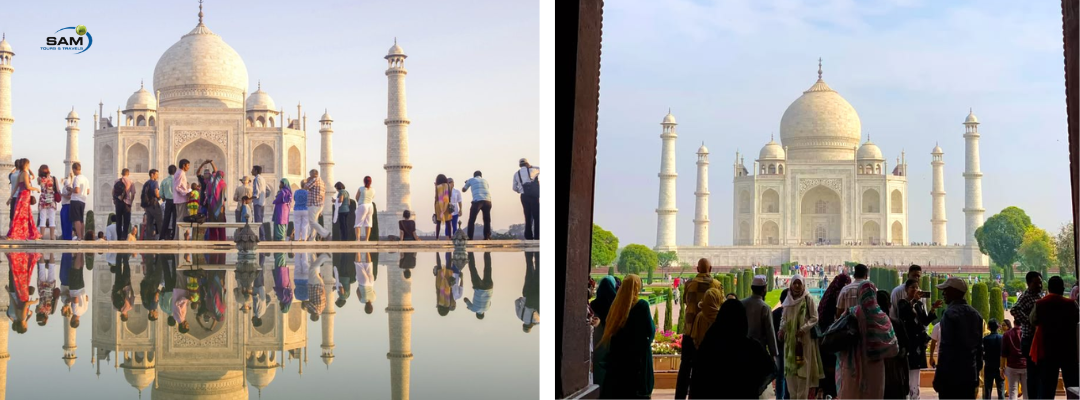
One major reason tourists love the Taj Mahal is its stunning beauty.

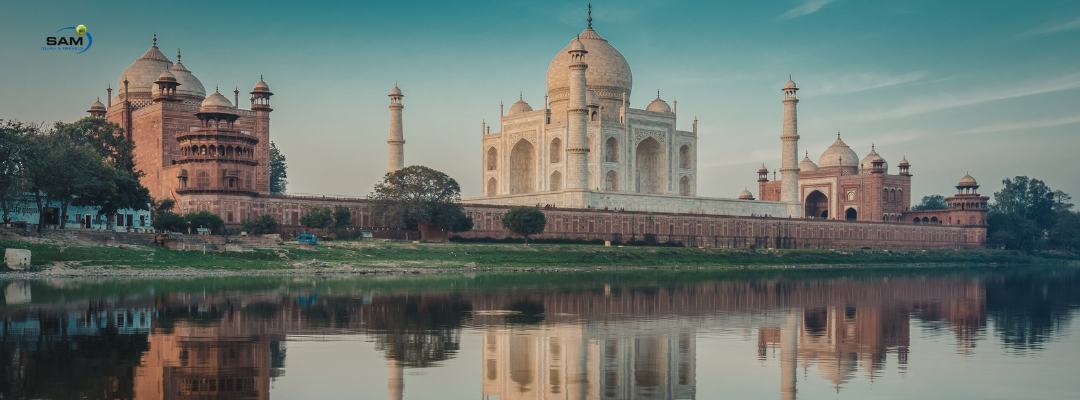
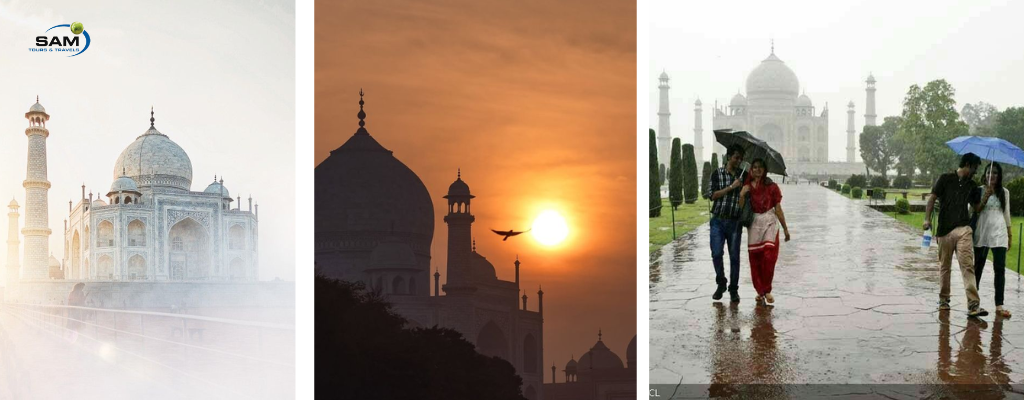
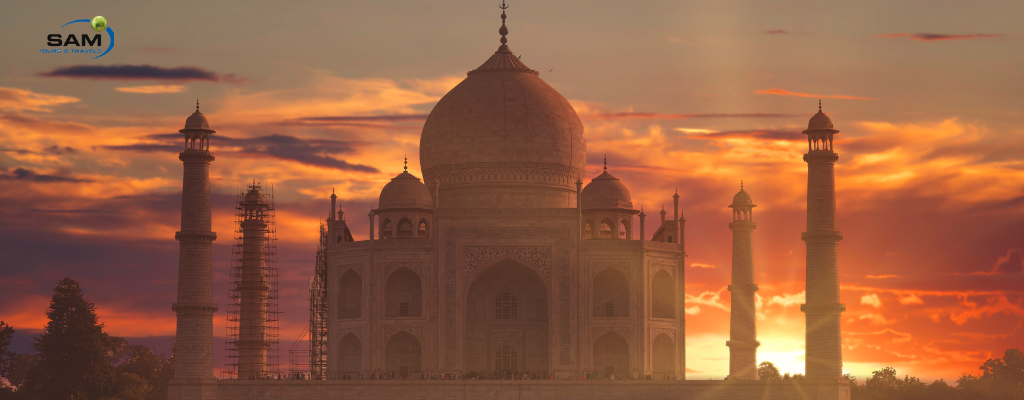
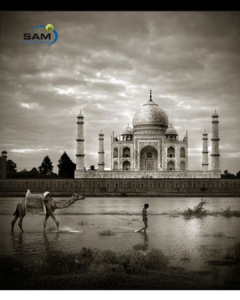
The monument looks breathtaking because of its white marble design. During sunrise, the marble appears soft pink. Later, it turns bright white in daylight. During sunset, golden shades create another magical look.

As a result, visitors never stop taking photos.

The detailed carvings, floral patterns, and symmetrical design make the monument visually unforgettable.


The Famous Love Story

Many tourists love the Taj Mahal because of its romantic history.

The Mughal emperor Shah Jahan built the monument in memory of his beloved wife Mumtaz Mahal.

Because of this story, many people call the Taj Mahal the symbol of eternal love.

Couples especially enjoy visiting because the location feels romantic and meaningful.


One of the Seven Wonders of the World

The Taj Mahal holds global recognition.

It is one of the Seven Wonders of the World, which makes it a dream destination for travelers.

Many international tourists visit simply to experience this famous landmark in person.

Since people often see it in books, movies, and travel videos, seeing it in real life feels exciting.


Amazing Photography Opportunities

Tourists also love the Taj Mahal because it looks perfect in photographs.

The monument offers:

  • Beautiful sunrise photos
  • Romantic couple pictures
  • Family portraits
  • Instagram-worthy backgrounds

Popular photo spots around the gardens and fountains attract photographers from around the world.

As a result, many travelers spend hours taking pictures.


Peaceful Atmosphere

Despite large crowds, many visitors still find the place peaceful.

The large gardens, fountains, and open spaces create a calm environment.

Early morning visits feel especially relaxing.

Therefore, many travelers enjoy simply walking around and enjoying the view.


Rich History and Architecture

History lovers admire the Taj Mahal for its craftsmanship.

The monument reflects beautiful Mughal architecture. Marble inlay work, Arabic calligraphy, and detailed carvings show incredible skill.

In addition, guides often share fascinating stories about its construction and history.

Because of this, history enthusiasts enjoy every part of the visit.


Easy to Visit from Delhi

Another reason tourists love the Taj Mahal is convenience.

Agra has excellent road and train connections from Delhi.

Many travelers choose:

  • Same-day Agra tours
  • Weekend trips
  • Private guided tours

Therefore, visiting the Taj Mahal feels easy even for short vacations.


Beautiful in Every Season

The Taj Mahal looks different throughout the year.

Winter

Cool weather makes sightseeing comfortable.

Monsoon

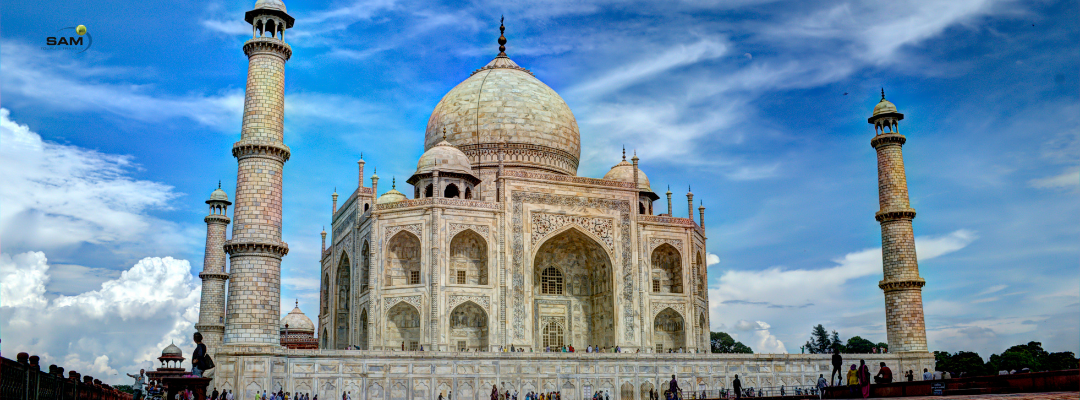
Cloudy skies create dramatic photos.

Summer Sunrise

Morning visits feel peaceful and less crowded.

Because of seasonal beauty, many travelers visit more than once.


Why Couples Love the Taj Mahal

Couples especially love the romantic atmosphere.

The beautiful surroundings, peaceful gardens, and love story create unforgettable memories.

Many visitors also plan:

  • Pre-wedding shoots
  • Anniversary trips
  • Romantic vacations

As a result, the Taj Mahal remains one of India’s most romantic destinations.


Final Thoughts

So, why do tourists love the Taj Mahal so much?

The answer includes beauty, history, romance, architecture, and unforgettable experiences.

The Taj Mahal gives visitors much more than sightseeing. It offers memories, emotions, and one of the most beautiful travel experiences in India.

That is exactly why millions of tourists continue to visit every year.

Many travelers ask an important question before planning their trip: Is Friday the worst day to visit the Taj Mahal?

The simple answer is yes, for most tourists.

The Taj Mahal remains closed every Friday for general visitors. Therefore, planning your trip on Friday can create problems if you are unaware of this rule.

However, there are a few exceptions and important details that every traveler should know.


Why Is the Taj Mahal Closed on Friday?

Friday is a special prayer day.

The mosque inside the Taj Mahal complex opens for local worshippers who attend prayers. Because of this religious purpose, authorities close the monument to regular tourists.

As a result, visitors cannot enter for sightseeing on Fridays.

Therefore, Friday often becomes the least suitable day for most tourists.


Can Anyone Visit the Taj Mahal on Friday?

In general, tourists cannot enter the Taj Mahal on Friday.

However, people visiting the mosque for prayers may receive limited access.

This access is mainly for worship purposes, not sightseeing or photography.

Therefore, travelers should avoid planning a normal tourist visit on Friday.


Why Friday Can Ruin Your Travel Plan

Planning a Friday trip can lead to disappointment.

You may face problems such as:

  • No tourist entry
  • Wasted travel time
  • Extra hotel expenses
  • Last-minute schedule changes

Moreover, travelers coming from Delhi for a same-day trip may lose an entire travel day.

That is why checking Taj Mahal opening days before booking is very important.

Is Friday the Worst Day to Visit the Taj Mahal


Best Days to Visit the Taj Mahal

Instead of Friday, choose weekdays.

Monday to Thursday

These days usually offer:

  • Better crowd control
  • Easier photography
  • Smoother entry process

Saturday and Sunday

Weekends remain open.

However, crowds increase significantly. Therefore, early morning visits work best.


Best Time of Day to Visit

Even after choosing the right day, timing matters.

Sunrise Visit

Sunrise remains the best option.

Benefits include:

  • Fewer crowds
  • Better weather
  • Soft lighting for photos
  • Peaceful atmosphere

Late Afternoon Visit

Evening light also looks beautiful.

However, crowds may still remain high.


What to Do in Agra on Friday Instead

If you accidentally visit Agra on Friday, do not worry.

You can still explore nearby attractions such as:

  • Agra Fort
  • Mehtab Bagh
  • Itimad-ud-Daulah

These places stay open and still offer great sightseeing experiences.


Travel Tips Before Visiting the Taj Mahal

To avoid problems:

  • Always check opening days
  • Avoid Friday for tourist visits
  • Book tickets in advance
  • Reach early morning
  • Plan nearby attractions as backup

Good planning saves time and avoids disappointment.


Final Answer

So, is Friday the worst day to visit the Taj Mahal?

For tourists, yes.

The Taj Mahal stays closed every Friday for general visitors. Therefore, choosing another day gives a much smoother experience.

For the best visit, plan your trip between Monday and Thursday or arrive early on weekends.

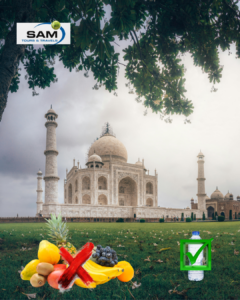
Many travelers visiting the Taj Mahal often ask an important question: Can you carry food inside the Taj Mahal?

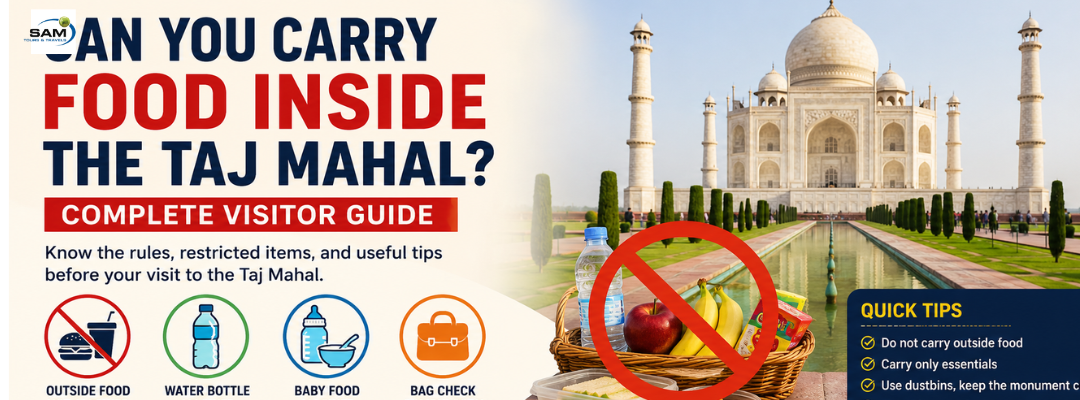
The short answer is no, outside food is generally not allowed inside the Taj Mahal complex. Security staff carefully check bags at the entrance, and visitors must follow strict rules to protect the monument and maintain cleanliness.

However, there are a few important details you should know before planning your visit.

This guide explains everything about food rules, restricted items, and helpful tips for visitors.


Are You Allowed to Carry Food Inside the Taj Mahal?

The Taj Mahal does not allow most food items inside.

Authorities enforce these rules to:

  • Keep the monument clean
  • Prevent littering inside the complex
  • Protect the heritage site
  • Maintain a peaceful environment for visitors

Therefore, visitors should avoid carrying meals, snacks, or large food packets.


What Food Items Are Not Allowed?

Most outside food is restricted.

Generally, you should avoid carrying:

  • Full meals
  • Fast food items
  • Packed lunch boxes
  • Chips and snacks
  • Fruits in large quantities
  • Drinks other than water

Security staff may stop you if they find restricted items during bag checks.


Can You Carry Water Bottles?

Yes, visitors can usually carry a water bottle inside.

Since weather in Agra becomes very hot, especially during summer, staying hydrated is important.

However, avoid carrying too many bottles or oversized bags because security checks can take longer.


Can You Carry Baby Food?

Yes, baby food is usually allowed.

Families visiting the Taj Mahal with infants can carry:

  • Baby milk
  • Baby food
  • Feeding bottles

Security staff generally allow essential items for infants.

Still, carry only what you need.


Why Are Food Restrictions So Strict?

The Taj Mahal is one of the most famous heritage monuments in the world.

Because of this, authorities follow strict rules to:

  • Protect marble areas from stains
  • Prevent waste and garbage
  • Reduce pest problems
  • Maintain cleanliness for millions of visitors

As a result, food restrictions help preserve the monument.

Can You Carry Food Inside the Taj Mahal? Visitor Rules Guide


Where Can You Eat Near the Taj Mahal?

Although food is restricted inside, many restaurants and cafes operate near the Taj Mahal entrance.

You can enjoy:

  • Local Agra food
  • Indian meals
  • Fast food options
  • Family-friendly restaurants

Many travelers prefer eating before or after their visit.


Tips for Visitors

To avoid problems during entry:

  • Do not carry unnecessary snacks
  • Carry only essential items
  • Keep one water bottle for convenience
  • Travel light for faster security checks
  • Eat before entering the monument

These simple steps can save time and make entry easier.


Other Restricted Items at the Taj Mahal

Besides food, some other items are also restricted.

Avoid carrying:

  • Large bags
  • Tripods
  • Drones
  • Tobacco products
  • Sharp objects
  • Loud electronic items

Security checks remain strict at all gates.


Final Answer

So, can you carry food inside the Taj Mahal?

In most cases, no. The Taj Mahal does not allow outside food inside the complex.

However, visitors can usually carry water bottles and essential baby food.

To avoid delays, travel light and follow entry rules carefully. This will make your Taj Mahal visit smoother and more enjoyable.

The Taj Mahal is one of the most famous tourist attractions in the world. Before visiting, many travelers ask one common question: How much time do you need at the Taj Mahal?

The answer depends on your travel style. Some people visit quickly for photos, while others spend hours exploring the monument, gardens, and nearby attractions.

In most cases, visitors need around 2 to 3 hours to enjoy a comfortable Taj Mahal visit.


Average Time Needed at Taj Mahal

Most tourists spend between 2 and 3 hours at the Taj Mahal.

This amount of time allows visitors to:

  • Explore the main monument
  • Walk through the gardens
  • Take photos
  • Enjoy the architecture
  • Learn some history

Therefore, 2–3 hours works well for most travelers.


Quick Visit: 1 to 1.5 Hours

Some visitors stay for only one hour.

This option works best if:

  • You are on a same-day Agra trip
  • You only want photos
  • You have limited time
  • You plan to visit multiple attractions in one day

However, a short visit may feel rushed.

You may miss important details and relaxing moments.


Comfortable Visit: 2 to 3 Hours

A 2–3 hour visit is ideal.

You get enough time to:

  • Enter comfortably
  • Explore the monument
  • Visit the marble platform area
  • Take couple or family photos
  • Walk around the gardens
  • Enjoy different viewing angles

Most travelers prefer this timing.

As a result, they enjoy the experience without feeling rushed.


Long Visit: 4 Hours or More

Photography lovers and history enthusiasts often stay longer.

A longer visit works well if you:

  • Love photography
  • Want detailed exploration
  • Hire a tour guide
  • Visit during sunrise or sunset

Moreover, professional photographers often spend extra time finding perfect angles.


Best Time to Visit the Taj Mahal

Timing affects how long you may want to stay.

Sunrise Visit

Sunrise offers:

  • Cooler weather
  • Fewer crowds
  • Better lighting for photos

Many visitors stay longer because the atmosphere feels peaceful.

Daytime Visit

Crowds increase during the afternoon.

Because of heat and long lines, visitors may spend less time comfortably.

Sunset Visit

The soft evening light creates beautiful photography opportunities.

Therefore, many couples and photographers prefer this timing.


Time Needed for Photography

Photography can increase your visit time.

For casual photos:
30–45 minutes is usually enough.

For couple photography or professional shoots:
1–2 hours may be required.

The Taj Mahal offers many photo spots, so extra time helps.


Can You Explore Taj Mahal in One Hour?

Yes, but it may feel rushed.

One hour is enough for:

  • Quick sightseeing
  • Basic photography
  • Short guided tours

However, many visitors later wish they had spent more time.


Tips to Save Time at the Taj Mahal

To avoid delays:

  • Book tickets online
  • Visit early morning
  • Avoid weekends and holidays
  • Carry fewer items for security checks
  • Arrive before opening hours

These simple tips save time and improve your visit.


Final Answer

So, how much time do you need at the Taj Mahal?

For most visitors, 2 to 3 hours is the perfect amount of time.

It gives enough time to explore, relax, and take photos without feeling rushed.

However, if you love photography or history, you may want to spend 4 hours or more at the Taj Mahal for a complete experience.

Visiting the Taj Mahal is a dream for many travelers. However, senior citizens often need extra comfort, better planning, and easy travel options. A well-planned trip can make the experience smooth, comfortable, and memorable.

The Taj Mahal welcomes visitors of all ages. Still, older travelers should prepare in advance to avoid crowds, long walking distances, and unnecessary stress.

This complete guide explains everything senior citizens should know before planning a Taj Mahal tour.


Why the Taj Mahal Is a Great Destination for Senior Citizens

The Taj Mahal is one of the most peaceful and beautiful places in India. The gardens, open spaces, and calm atmosphere make it enjoyable for older travelers.

In addition, Agra has good road and train connectivity. Therefore, reaching the monument is easier than many other tourist destinations.

Senior citizens can also choose comfortable travel packages with hotel pickup and guided tours.


Best Time for Senior Citizens to Visit the Taj Mahal

Choosing the right season matters a lot.

Winter Season (October to March)

Winter is the best time for senior citizens.

The weather stays pleasant and walking becomes easier. Morning and evening temperatures remain comfortable.

Avoid Summer Months

Summer in Agra becomes extremely hot. High temperatures may cause discomfort, especially for older travelers.

Therefore, avoid afternoon visits between April and June.

Best Time of Day

Early morning is the best option.

The crowds stay smaller, and the temperature remains cooler. In addition, sunrise views make the visit more enjoyable.


Best Travel Options for Senior Citizens

Comfortable transportation is important for older travelers.

By Private Car

A private car is one of the best options.

It offers:

  • Comfortable seating
  • Flexible timing
  • Less travel stress
  • Easy hotel pickup and drop-off

Many visitors prefer same-day private tours from Delhi.

By Train

The train is another comfortable option.

Fast trains between Delhi and Agra reduce travel time. Senior citizens can book premium seats for better comfort.

Guided Tour Packages

Many travelers choose guided tours.

These packages usually include:

  • Transport
  • Entry assistance
  • Professional guide
  • Hotel pickup and drop

As a result, senior travelers avoid confusion during the trip.


Wheelchair and Senior Citizen Facilities

The Taj Mahal offers facilities that help senior citizens.

Available services include:

  • Wheelchair assistance near entry gates
  • Battery-operated vehicles from parking areas
  • Benches for resting
  • Clean visitor areas

These facilities help older visitors explore the monument more comfortably.


Best Gate for Senior Citizens

Choosing the correct entry gate makes the visit easier.

West Gate

The West Gate is popular because of better accessibility and transport options.

East Gate

This gate often has slightly smaller crowds.

However, travel convenience may depend on your hotel location.

Try to choose the gate with the shortest walking distance for comfort.

Taj Mahal Tour for Senior Citizens: Complete Travel Guide


Things Senior Citizens Should Carry

Packing smartly improves comfort during the trip.

Recommended items:

  • Water bottle
  • Comfortable walking shoes
  • Hat or umbrella
  • Sunglasses
  • Medicines
  • ID proof
  • Light snacks

In addition, comfortable clothing makes walking easier.


Important Travel Tips for Senior Citizens

Follow these simple tips for a better experience:

  • Visit early morning to avoid heat
  • Book tickets online in advance
  • Take short breaks while walking
  • Avoid peak holiday crowds
  • Hire a guide for easier navigation
  • Stay hydrated during the trip

Good planning makes the visit much smoother.


Nearby Places Senior Citizens Can Visit

After visiting the Taj Mahal, travelers can explore nearby attractions.

Popular places include:

  • Agra Fort
  • Mehtab Bagh
  • Itimad-ud-Daulah

These locations are easier to explore and offer relaxing sightseeing experiences.


Is the Taj Mahal Tour Worth It for Senior Citizens?

Yes, absolutely.

The beauty, history, and peaceful atmosphere make the experience special for older travelers. However, choosing the right season and comfortable transport matters.

With proper planning, senior citizens can enjoy a smooth and memorable visit to the Taj Mahal.


Conclusion

A Taj Mahal tour for senior citizens can be relaxing, comfortable, and unforgettable. Early morning visits, winter travel, and private transport make the journey easier.

Most importantly, proper planning helps avoid unnecessary stress.

Whether traveling with family or alone, senior travelers can enjoy one of India’s greatest wonders in comfort.

The Taj Mahal is one of the most beautiful monuments in the world. Every year, millions of travelers visit Agra to experience its beauty.

However, one common question many tourists ask is: What is the best month to visit the Taj Mahal?

The answer depends on what kind of experience you want.

Some people prefer pleasant weather. Others want fewer crowds or the best photography conditions.

In this guide, we will explain the best month to visit the Taj Mahal based on weather, crowds, photography, and overall travel experience.

Why Choosing the Right Month Matters

The Taj Mahal looks beautiful throughout the year.

However, your experience can change depending on the season.

Different months affect:

  • Weather conditions
  • Crowd levels
  • Photography quality
  • Travel comfort
  • Hotel prices

Choosing the right time can make your trip much more enjoyable.

October to March: Best Time to Visit the Taj Mahal

Most travelers consider October to March the best period for visiting.

Why?

Because the weather stays pleasant and comfortable.

Advantages include:

  • Cooler temperatures
  • Better sightseeing weather
  • Comfortable walking experience
  • Beautiful sunrise photography

Winter months are especially popular among international tourists.

November: The Best Month to Visit the Taj Mahal

If you want one recommendation, November is often considered the best month to visit the Taj Mahal.

Why November?

  • Pleasant weather
  • Clear skies
  • Comfortable temperatures
  • Good photography lighting
  • Lower heat compared to summer

The monument looks beautiful during this time.

Sunrise and sunset photography also become easier.

December and January: Good but Foggy

Winter months attract many visitors.

However, there is one thing many tourists do not expect.

Fog.

Heavy fog can affect visibility, especially in early morning hours.

Sometimes visitors cannot see the Taj Mahal clearly during sunrise.

If photography matters to you, check weather forecasts first.

February: Great for Comfortable Travel

February is another excellent month.

The weather feels pleasant.

Crowds are manageable compared to peak holiday seasons.

This month is ideal for:

  • Couples
  • Families
  • First-time visitors
  • Photography lovers

March: Warm but Still Comfortable

March marks the beginning of warmer temperatures.

However, mornings remain pleasant.

You can still enjoy:

  • Sunrise visits
  • Comfortable sightseeing
  • Better crowd control

March is a good option before summer begins.

April to June: Summer Season

Summer in Agra can be extremely hot.

Temperatures often rise significantly.

Challenges include:

  • Strong sunlight
  • Hot weather
  • Tiring daytime travel

However, there is one benefit.

Crowds may be smaller.

If visiting during summer:

  • Go early morning
  • Carry water
  • Wear light clothing

July to September: Monsoon Season

Monsoon brings a different beauty to the Taj Mahal.

Rain clouds create dramatic scenery.

Advantages:

  • Fresh atmosphere
  • Beautiful photography opportunities
  • Less crowd

Disadvantages:

  • Rain interruptions
  • Humidity
  • Wet travel conditions

Photography lovers often enjoy this season.

Best Month to Visit Taj Mahal for Photography

For photography, timing matters.

The best months are:

  • November
  • February
  • October

These months offer:

  • Clear sky
  • Soft lighting
  • Comfortable temperatures

Sunrise photography becomes especially beautiful.

Best Month to Visit Taj Mahal Without Crowd

If you want fewer tourists, try:

  • July
  • August
  • Early September

Weekdays are also less crowded than weekends.

Early morning visits always help avoid rush.

Best Month to Visit Taj Mahal for Families

Families usually prefer:

  • November
  • December
  • February

These months offer comfortable travel for kids and older family members.

Walking around becomes easier.

Quick Month-by-Month Overview

Month Experience
October Pleasant weather
November Best overall month
December Comfortable but crowded
January Good but foggy mornings
February Great weather
March Warm but pleasant
April–June Very hot
July–September Monsoon beauty

Final Thoughts

The Taj Mahal is beautiful in every season. However, choosing the right month can improve your travel experience.

If you want the best overall experience, November is often the best month to visit the Taj Mahal.

For pleasant weather and photography, choose October to March.

If you prefer fewer crowds, monsoon months may work better.

No matter when you visit, planning ahead will help you enjoy a smooth and memorable Taj Mahal trip.

The Taj Mahal looks beautiful at any time of the day. However, sunrise is often considered the best time for photography.

Soft golden light, fewer crowds, and pleasant weather make sunrise photography at the Taj Mahal a special experience.

Many professional photographers and travelers prefer early morning visits because the monument looks magical during sunrise.

If you want stunning pictures, planning your timing and camera settings is important.

This guide explains everything you need to know about sunrise photography at the Taj Mahal.

Why Sunrise is the Best Time for Taj Mahal Photography

Sunrise creates the perfect lighting conditions.

During this time:

  • Light is soft and natural
  • Crowds are smaller
  • Temperatures are comfortable
  • Shadows are less harsh

The white marble of the Taj Mahal reflects golden sunrise colors beautifully.

This makes photos look more professional and visually attractive.

Best Time to Reach for Sunrise Photography

Many visitors make one common mistake.

They arrive too late.

To capture the best sunrise photographs:

  • Reach the gate at least 30–45 minutes early
  • Complete security checks before sunrise
  • Keep your camera ready

Early entry helps you find good photography spots before crowds increase.

Best Angles for Sunrise Photography at the Taj Mahal

The right angle can completely change your photograph.

Front Reflection Pool Shot

This is one of the most famous sunrise photography spots.

Stand near the reflecting pool in the center.

Tips:

  • Keep symmetry balanced
  • Capture water reflections
  • Shoot during soft light

This creates timeless Taj Mahal images.

Main Entrance Gate Shot

The entrance gate naturally frames the Taj Mahal.

During sunrise, the golden light creates dramatic photographs.

This angle works well for:

  • Wide shots
  • Portrait photography
  • Cinematic photos

Bench Photography Spot

The famous bench area is popular among tourists.

Early morning gives better chances for clean shots.

Because of lower crowds, sunrise is ideal here.

Side Garden Angles

Most tourists focus only on front photography.

Try side angles for:

  • Creative composition
  • Less crowded shots
  • Unique perspective

These spots often look amazing during sunrise.

Sunrise Photography at the Taj Mahal: Best Time, Angles & Photo TipsBest Camera Settings for Sunrise Photography
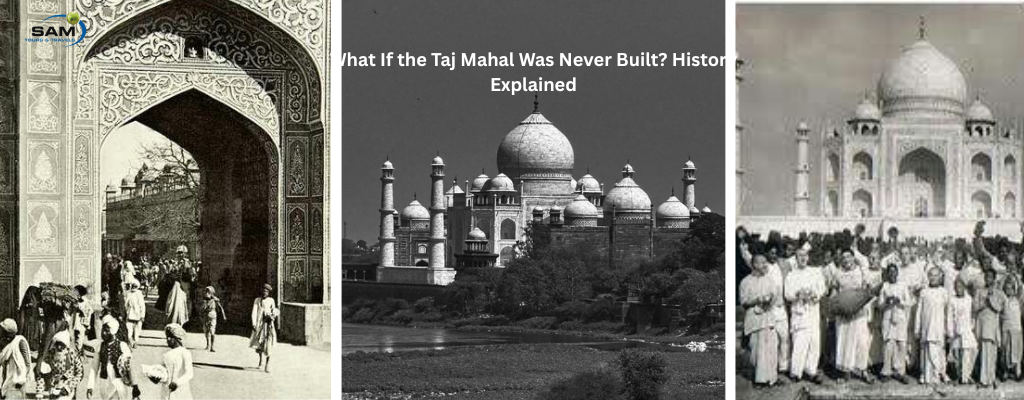
Lighting changes quickly during sunrise.

Here are useful settings.

For DSLR or Mirrorless Camera

  • Use low ISO (100–200)
  • Keep shutter speed balanced
  • Use wide-angle lens for full monument shots
  • Shoot in RAW format for editing flexibility

For Smartphone Photography

Modern phones can capture excellent sunrise photos.

Tips include:

  • Clean camera lens
  • Avoid zooming
  • Use HDR mode carefully
  • Tap screen to adjust brightness

Simple adjustments can improve quality significantly.

Best Photography Tips for Sunrise at the Taj Mahal

Arrive Before the Crowd

The earlier you arrive, the better your photos.

Fewer people means:

  • Cleaner backgrounds
  • Better composition
  • Easier movement

Use Natural Light

Avoid heavy editing later.

Good sunrise lighting already looks beautiful.

Try Different Perspectives

Do not only take front-facing pictures.

Experiment with:

  • Low angles
  • Reflection shots
  • Portrait framing
  • Garden compositions

Variety improves your photo collection.

Watch Weather Conditions

Weather affects sunrise quality.

Clear mornings usually produce the best photographs.

Foggy winter mornings may reduce visibility.

Best Season for Taj Mahal Sunrise Photography

Winter (October to March)

Best overall season.

Advantages:

  • Pleasant weather
  • Clear sky
  • Comfortable photography conditions

Monsoon (July to September)

Good for dramatic skies.

Rain clouds can add beauty to photos.

Summer (April to June)

Very hot later in the day.

Early sunrise visits work best.

Common Mistakes to Avoid

Avoid these mistakes:

  • Arriving late
  • Using harsh flash
  • Taking only one angle
  • Visiting during midday for sunrise-style photos
  • Ignoring weather forecast

Small mistakes can reduce photo quality.

Why Photographers Love Sunrise at the Taj Mahal

Professional photographers love sunrise because:

  • Light changes beautifully
  • Colors look natural
  • Crowds stay lower
  • Marble reflects sunlight softly

This combination creates perfect photography conditions.

Final Thoughts

Sunrise photography at the Taj Mahal offers one of the best travel photography experiences in India.

The soft morning light, peaceful environment, and stunning architecture create unforgettable photographs.

Whether you use a smartphone or professional camera, good timing and smart angles can help you capture amazing pictures.

Arrive early, choose the right spots, and enjoy photographing one of the world’s most beautiful monuments.


Agra is home to some of India’s most iconic historical sites, and while the Taj Mahal draws millions of visitors each year. Agra Fort holds a regal charm of its own. A UNESCO World Heritage Site, Agra Fort isn’t just a monument; it’s a symbol of India’s grand Mughal past. And if you want to witness history, come alive, there’s no better way than experiencing the Light and Sound Show at Agra Fort.

This captivating show offers more than just storytelling it immerses you in the sights and sounds of an era marked by emperors, battles, love, and betrayal. Set against the dramatic backdrop of the fort’s red sandstone walls, it’s a must-attend event for history lovers and curious travelers alike.

A Royal Setting: Agra Fort

Before we dive into the show itself, let’s understand the venue. Agra Fort, built in the 16th century by Emperor Akbar, is a massive fortress made of red sandstone. It served as the main residence of the Mughal emperors for generations and played a key role in shaping the history of India.

Within its towering walls lie beautiful palaces, halls, and mosques including the Jahangiri Mahal, Diwan-i-Aam (Hall of Public Audience), Diwan-i-Khas (Hall of Private Audience), and Musamman Burj. Where Shah Jahan was held captive by his son, Aurangzeb, gazing at the Taj Mahal till his last breath.

It is in this very fort that the Light and Sound Show brings centuries of history to life.

What is the Light and Sound Show?

The Light and Sound Show at Agra Fort is a multimedia presentation combining dramatic narration, music, lighting effects, and historical storytelling. The show is conducted every evening and is staged in the open-air courtyard of the fort. Narrated by some of India’s most respected voices, the show traces the evolution of Agra Fort through centuries of Mughal rule.

From the rise of Akbar to the romantic tales of Jahangir and Noor Jahan, and from Shah Jahan’s architectural. Legacy to Aurangzeb’s ruthless ambition, the show paints a vivid picture of the events that shaped not just the fort but Indian history itself.

Why the Show is Worth Your Time

  1. Immersive History Lesson: The show offers an engaging way to learn about Mughal history much more exciting than reading a textbook or even a guidebook.
  2. Atmosphere and Setting: As the sun sets and darkness surrounds the fort, the illuminated walls create a magical atmosphere. The voiceovers and background music add to the experience, transporting you to another time.
  3. Beautiful Light Effects: The fort is lit up with colorful lights that highlight different architectural elements, enhancing the visual appeal and mood of the story being told.
  4. Bilingual Shows: There are two shows each evening one in Hindi and the other in English. Making it accessible to both domestic and international visitors.

Show Timings and Details

  • Timings:
    • Hindi Show: 7:30 PM (Summer), 6:30 PM (Winter)
    • English Show: 8:30 PM (Summer), 7:30 PM (Winter)
  • Duration: Approximately 1 hour
  • Venue: Agra Fort, inside the Diwan-I-Aam or a specially designated courtyard
  • Entry Fee:
    • Indian Citizens: ₹70
    • Foreign Nationals: ₹200
    • Children: Concessional rates available
  • Tickets: Can be purchased at the fort entrance or online through tourism portals

Tips for Visitors

  • Arrive Early: Arrive at least 30 minutes before the show starts to get good seating and explore the fort’s exterior.
  • Check Timings: The show timings may vary slightly depending on the season, so it’s best to confirm in advance.
  • Dress Comfortably: The show is outdoors, so dress according to the weather light clothes in summer and warm layers in winter.
  • Bring a Camera: While the show may restrict photography, the lit-up fort after the show provides excellent photo opportunities.

Combine It with a Day Tour

Many travelers prefer to visit Agra Fort during the day to explore its architecture and history in detail and return in the evening for the Light and Sound Show. You can also combine it with a visit to the Taj Mahal, Mehtab Bagh, or Itmad-ud-Daulah for a complete Agra experience.

Conclusion

The Light and Sound Show at Agra Fort is more than just entertainment. It’s an emotional and educational journey through time. It adds depth and context to the grand walls and silent corridors of the fort. Allowing you to imagine the lives, decisions, and dreams of the emperors who once ruled India. If you want to end your Agra visit on a memorable note, don’t miss this magical evening experience.