

How to Take Professional Taj Mahal Photos: Best Angles, Lighting & Photography Tips
- Agra Sightseeing, Delhi Tours, Taj Mahal Tour, Travel, Travel and Tourism, Travel Services, Travel Tips
- Agra Photography, Photography Tips, Taj Mahal Camera Guide, Taj Mahal Photography, Taj Mahal Photos, Taj Mahal Travel Guide
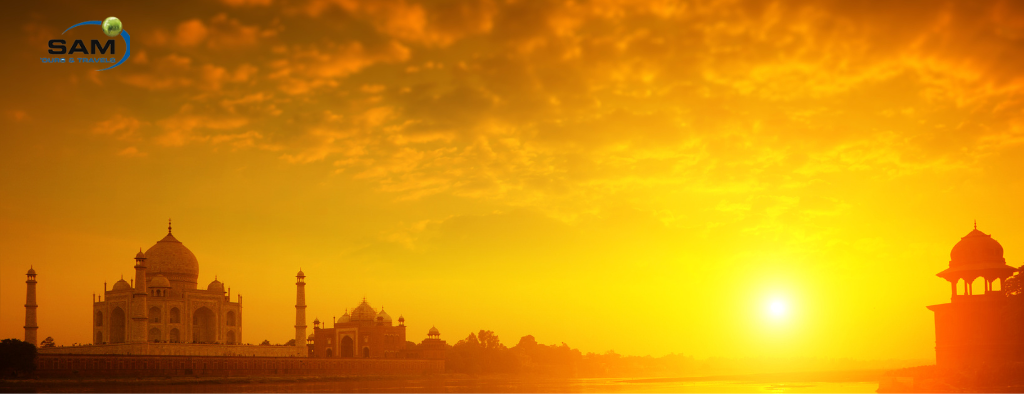
The Taj Mahal is one of the most photographed monuments in the world. Every traveler who visits Agra wants the perfect picture in front of this beautiful white marble monument.
However, many visitors return home disappointed with their photos. Poor lighting, heavy crowds, wrong camera angles, and bad timing often ruin the experience.
The good news is that you do not need to be a professional photographer to capture amazing Taj Mahal photos. With the right timing, camera angles, and simple photography tips, anyone can take stunning pictures.
In this guide, you will learn how to photograph the Taj Mahal like a professional. Whether you use a smartphone or a DSLR camera, these tips will help you capture beautiful memories.
Why the Taj Mahal is Perfect for Photography
The Taj Mahal is one of the best places for photography because of its unique beauty.
It offers:
- Beautiful white marble details
- Symmetrical architecture
- Reflection photography opportunities
- Natural gardens and pathways
- Different lighting throughout the day
Every hour creates a different look. That is why photographers love visiting the Taj Mahal.
Best Time for Taj Mahal Photography
Timing is the most important part of photography.
The same monument can look completely different depending on the hour of the day.
Sunrise Photography
Sunrise is the best time to photograph the Taj Mahal.
Why?
- Soft natural light
- Smaller crowd
- Pleasant weather
- Golden sky colors
The early morning light creates a magical glow on the white marble.
This is the perfect time for professional-looking pictures.
Morning Hours (8 AM – 10 AM)
Morning light is still good.
The monument becomes brighter and details look sharper.
However, the crowd starts increasing.
You may need patience to get clean shots.
Midday Photography
Midday is usually not ideal.
The sunlight becomes harsh.
Problems include:
- Strong shadows
- Overexposed images
- Too many visitors
Photos may look flat during this time.
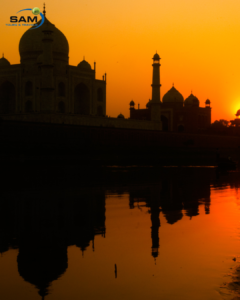
Sunset Photography
Sunset is another great option.
The soft evening light creates warm tones.
The marble often changes color slightly depending on the sky.
This creates dramatic photos.
Best Angles to Photograph the Taj Mahal
Choosing the right angle makes a huge difference.
Here are some of the best photo angles.
Front Reflection Shot
This is one of the most famous Taj Mahal photos.
Stand near the reflecting pool in the center.
Tips:
- Use symmetry carefully
- Keep the Taj Mahal centered
- Capture reflections in water
This angle looks professional and timeless.
Main Gate Frame Shot
Before entering the main garden, stop at the large entrance gate.
The gate naturally frames the Taj Mahal.
This creates a cinematic effect.
It is one of the most beautiful viewpoints.
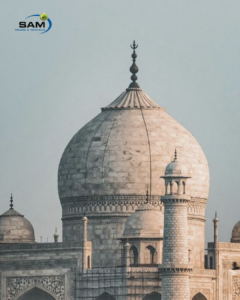
Side Angle Photography
Most tourists only take front photos.
Try side angles for unique shots.
Benefits include:
- Less crowd in background
- Creative composition
- Better depth in images
Walk around the side gardens and experiment.
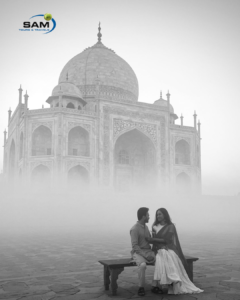
Bench Photography Spot
The famous white bench area is very popular.
Many iconic Taj Mahal photos are taken here.
Tips for better results:
- Visit early morning
- Avoid crowded hours
- Try natural poses
Do not rush your photos here.
Low Angle Photography
Low-angle shots make the Taj Mahal look bigger and more dramatic.
Simply lower your phone or camera slightly.
This technique creates professional-looking results.
Reflection Photography
Water reflections can make photos look stunning.
Try capturing:
- Reflecting pool images
- Rain puddle reflections during monsoon
Reflections add a premium look to photographs.
Smartphone Photography Tips for the Taj Mahal
You do not need an expensive camera.
Modern smartphones can capture amazing photos.
Use Portrait Mode Carefully
Portrait mode works best for people.
However, avoid using too much blur around the monument.
Natural photos look better.
Clean Your Camera Lens
Many blurry photos happen because of a dirty lens.
Always clean your lens before shooting.
Avoid Digital Zoom
Instead of zooming:
- Walk closer
- Crop later
Zooming reduces quality.
Turn On Grid Lines
Grid lines help composition.
Use the rule of thirds for better framing.
DSLR Camera Tips for Taj Mahal Photography
If you use a DSLR or mirrorless camera, these tips help.
Use a Wide Lens
A wide-angle lens captures the monument better.
This helps include:
- Full structure
- Gardens
- Reflection pool
Shoot in RAW Format
RAW images store more details.
This makes editing easier later.
Use Lower ISO in Daylight
Low ISO gives cleaner photos.
Daylight at the Taj Mahal is bright enough.
Carry Extra Battery
Photography sessions can be long.
Always carry backup batteries.
Best Photography Spots Around the Taj Mahal
Photography is not limited to inside the monument.
Try these nearby spots.
Mehtab Bagh
Located across the river.
Offers:
- Unique backside view
- Sunset photography
- Less crowd
This is a favorite place for photographers.
Taj Nature Walk
This place gives elevated angles.
It is perfect for unique compositions.
Agra Fort Viewpoint
Some areas of Agra Fort offer distant Taj Mahal views.
This creates storytelling-style photographs.
Common Photography Mistakes to Avoid
Many visitors repeat the same mistakes.
Avoid these:
- Visiting at noon
- Taking only front-facing photos
- Ignoring lighting conditions
- Standing in crowded spots too long
- Over-editing images
Simple and natural photos often look best.
Best Season for Taj Mahal Photography
Winter (October to March)
Best season for photography.
Benefits:
- Pleasant weather
- Clear sky
- Comfortable shooting experience
Monsoon (July to September)
Beautiful for dramatic skies.
The monument looks fresh after rain.
Summer (April to June)
Very hot weather.
Morning visits work best.
Photography Rules at the Taj Mahal
Before visiting, remember basic rules:
- Respect monument guidelines
- Avoid restricted areas
- Follow photography permissions
- Keep equipment simple for easy movement
Always check updated entry rules before visiting.
Final Thoughts
Photographing the Taj Mahal is not only about having a good camera. It is about timing, patience, and creativity.
The best photos come from:
- Good lighting
- Smart angles
- Early timing
- Simple composition
Whether you use a smartphone or a professional camera, you can capture amazing Taj Mahal memories.
Plan your visit carefully, choose the right spot, and enjoy photographing one of the world’s most beautiful monuments.