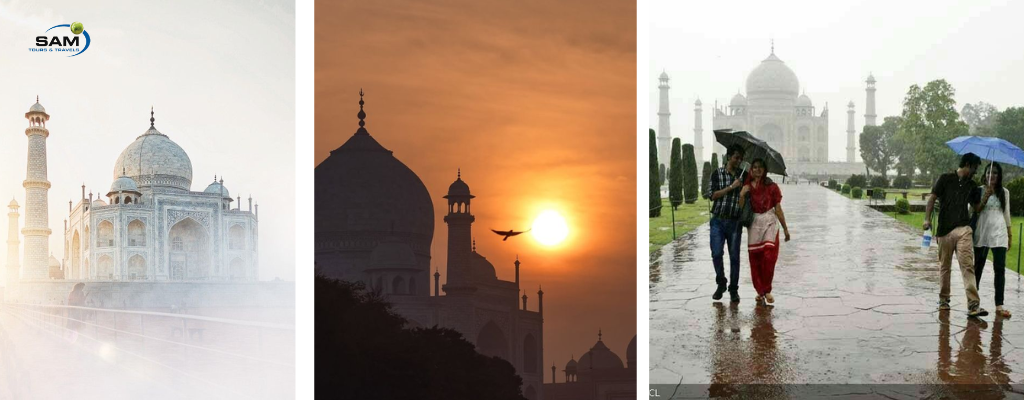
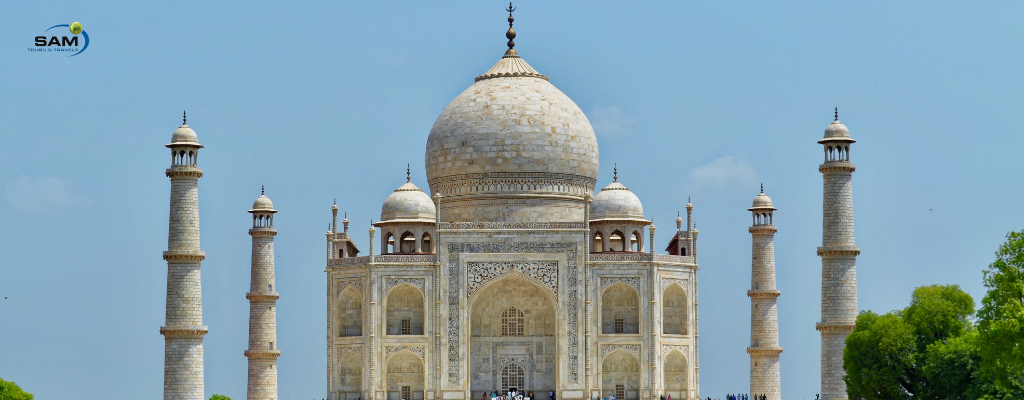
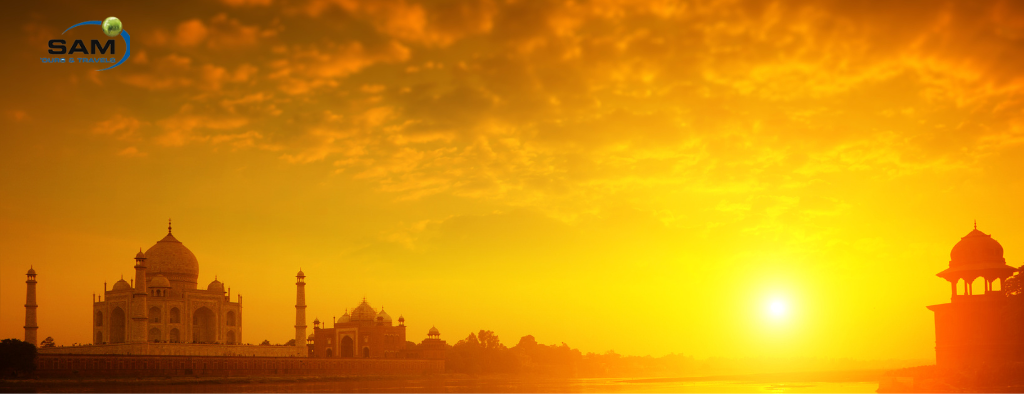
The Taj Mahal is one of the most beautiful monuments in the world. Every year, millions of travelers visit Agra to experience its beauty.

However, one common question many tourists ask is: What is the best month to visit the Taj Mahal?

The answer depends on what kind of experience you want.

Some people prefer pleasant weather. Others want fewer crowds or the best photography conditions.

In this guide, we will explain the best month to visit the Taj Mahal based on weather, crowds, photography, and overall travel experience.

Why Choosing the Right Month Matters

The Taj Mahal looks beautiful throughout the year.

However, your experience can change depending on the season.

Different months affect:

  • Weather conditions
  • Crowd levels
  • Photography quality
  • Travel comfort
  • Hotel prices

Choosing the right time can make your trip much more enjoyable.

October to March: Best Time to Visit the Taj Mahal

Most travelers consider October to March the best period for visiting.

Why?

Because the weather stays pleasant and comfortable.

Advantages include:

  • Cooler temperatures
  • Better sightseeing weather
  • Comfortable walking experience
  • Beautiful sunrise photography

Winter months are especially popular among international tourists.

November: The Best Month to Visit the Taj Mahal

If you want one recommendation, November is often considered the best month to visit the Taj Mahal.

Why November?

  • Pleasant weather
  • Clear skies
  • Comfortable temperatures
  • Good photography lighting
  • Lower heat compared to summer

The monument looks beautiful during this time.

Sunrise and sunset photography also become easier.

December and January: Good but Foggy

Winter months attract many visitors.

However, there is one thing many tourists do not expect.

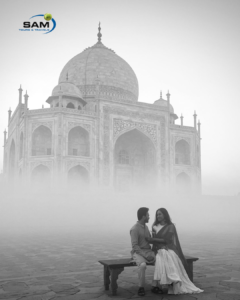
Fog.

Heavy fog can affect visibility, especially in early morning hours.

Sometimes visitors cannot see the Taj Mahal clearly during sunrise.

If photography matters to you, check weather forecasts first.

February: Great for Comfortable Travel

February is another excellent month.

The weather feels pleasant.

Crowds are manageable compared to peak holiday seasons.

This month is ideal for:

  • Couples
  • Families
  • First-time visitors
  • Photography lovers

March: Warm but Still Comfortable

March marks the beginning of warmer temperatures.

However, mornings remain pleasant.

You can still enjoy:

  • Sunrise visits
  • Comfortable sightseeing
  • Better crowd control

March is a good option before summer begins.

April to June: Summer Season

Summer in Agra can be extremely hot.

Temperatures often rise significantly.

Challenges include:

  • Strong sunlight
  • Hot weather
  • Tiring daytime travel

However, there is one benefit.

Crowds may be smaller.

If visiting during summer:

  • Go early morning
  • Carry water
  • Wear light clothing

July to September: Monsoon Season

Monsoon brings a different beauty to the Taj Mahal.

Rain clouds create dramatic scenery.

Advantages:

  • Fresh atmosphere
  • Beautiful photography opportunities
  • Less crowd

Disadvantages:

  • Rain interruptions
  • Humidity
  • Wet travel conditions

Photography lovers often enjoy this season.

Best Month to Visit Taj Mahal for Photography

For photography, timing matters.

The best months are:

  • November
  • February
  • October

These months offer:

  • Clear sky
  • Soft lighting
  • Comfortable temperatures

Sunrise photography becomes especially beautiful.

Best Month to Visit Taj Mahal Without Crowd

If you want fewer tourists, try:

  • July
  • August
  • Early September

Weekdays are also less crowded than weekends.

Early morning visits always help avoid rush.

Best Month to Visit Taj Mahal for Families

Families usually prefer:

  • November
  • December
  • February

These months offer comfortable travel for kids and older family members.

Walking around becomes easier.

Quick Month-by-Month Overview

Month Experience
October Pleasant weather
November Best overall month
December Comfortable but crowded
January Good but foggy mornings
February Great weather
March Warm but pleasant
April–June Very hot
July–September Monsoon beauty

Final Thoughts

The Taj Mahal is beautiful in every season. However, choosing the right month can improve your travel experience.

If you want the best overall experience, November is often the best month to visit the Taj Mahal.

For pleasant weather and photography, choose October to March.

If you prefer fewer crowds, monsoon months may work better.

No matter when you visit, planning ahead will help you enjoy a smooth and memorable Taj Mahal trip.
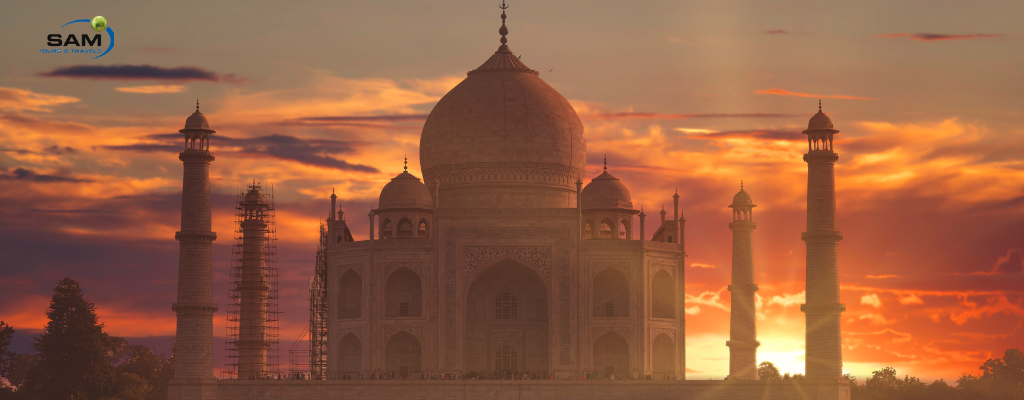
The Taj Mahal looks beautiful at any time of the day. However, sunrise is often considered the best time for photography.

Soft golden light, fewer crowds, and pleasant weather make sunrise photography at the Taj Mahal a special experience.

Many professional photographers and travelers prefer early morning visits because the monument looks magical during sunrise.

If you want stunning pictures, planning your timing and camera settings is important.

This guide explains everything you need to know about sunrise photography at the Taj Mahal.

Why Sunrise is the Best Time for Taj Mahal Photography

Sunrise creates the perfect lighting conditions.

During this time:

  • Light is soft and natural
  • Crowds are smaller
  • Temperatures are comfortable
  • Shadows are less harsh

The white marble of the Taj Mahal reflects golden sunrise colors beautifully.

This makes photos look more professional and visually attractive.

Best Time to Reach for Sunrise Photography

Many visitors make one common mistake.

They arrive too late.

To capture the best sunrise photographs:

  • Reach the gate at least 30–45 minutes early
  • Complete security checks before sunrise
  • Keep your camera ready

Early entry helps you find good photography spots before crowds increase.

Best Angles for Sunrise Photography at the Taj Mahal

The right angle can completely change your photograph.

Front Reflection Pool Shot

This is one of the most famous sunrise photography spots.

Stand near the reflecting pool in the center.

Tips:

  • Keep symmetry balanced
  • Capture water reflections
  • Shoot during soft light

This creates timeless Taj Mahal images.

Main Entrance Gate Shot

The entrance gate naturally frames the Taj Mahal.

During sunrise, the golden light creates dramatic photographs.

This angle works well for:

  • Wide shots
  • Portrait photography
  • Cinematic photos

Bench Photography Spot

The famous bench area is popular among tourists.

Early morning gives better chances for clean shots.

Because of lower crowds, sunrise is ideal here.

Side Garden Angles

Most tourists focus only on front photography.

Try side angles for:

  • Creative composition
  • Less crowded shots
  • Unique perspective

These spots often look amazing during sunrise.

Sunrise Photography at the Taj Mahal: Best Time, Angles & Photo TipsBest Camera Settings for Sunrise Photography

Lighting changes quickly during sunrise.

Here are useful settings.

For DSLR or Mirrorless Camera

  • Use low ISO (100–200)
  • Keep shutter speed balanced
  • Use wide-angle lens for full monument shots
  • Shoot in RAW format for editing flexibility

For Smartphone Photography

Modern phones can capture excellent sunrise photos.

Tips include:

  • Clean camera lens
  • Avoid zooming
  • Use HDR mode carefully
  • Tap screen to adjust brightness

Simple adjustments can improve quality significantly.

Best Photography Tips for Sunrise at the Taj Mahal

Arrive Before the Crowd

The earlier you arrive, the better your photos.

Fewer people means:

  • Cleaner backgrounds
  • Better composition
  • Easier movement

Use Natural Light

Avoid heavy editing later.

Good sunrise lighting already looks beautiful.

Try Different Perspectives

Do not only take front-facing pictures.

Experiment with:

  • Low angles
  • Reflection shots
  • Portrait framing
  • Garden compositions

Variety improves your photo collection.

Watch Weather Conditions

Weather affects sunrise quality.

Clear mornings usually produce the best photographs.

Foggy winter mornings may reduce visibility.

Best Season for Taj Mahal Sunrise Photography

Winter (October to March)

Best overall season.

Advantages:

  • Pleasant weather
  • Clear sky
  • Comfortable photography conditions

Monsoon (July to September)

Good for dramatic skies.

Rain clouds can add beauty to photos.

Summer (April to June)

Very hot later in the day.

Early sunrise visits work best.

Common Mistakes to Avoid

Avoid these mistakes:

  • Arriving late
  • Using harsh flash
  • Taking only one angle
  • Visiting during midday for sunrise-style photos
  • Ignoring weather forecast

Small mistakes can reduce photo quality.

Why Photographers Love Sunrise at the Taj Mahal

Professional photographers love sunrise because:

  • Light changes beautifully
  • Colors look natural
  • Crowds stay lower
  • Marble reflects sunlight softly

This combination creates perfect photography conditions.

Final Thoughts

Sunrise photography at the Taj Mahal offers one of the best travel photography experiences in India.

The soft morning light, peaceful environment, and stunning architecture create unforgettable photographs.

Whether you use a smartphone or professional camera, good timing and smart angles can help you capture amazing pictures.

Arrive early, choose the right spots, and enjoy photographing one of the world’s most beautiful monuments.

The Taj Mahal is one of the most visited monuments in the world. Every traveler wants to experience its beauty, but choosing the right type of tour can feel confusing.

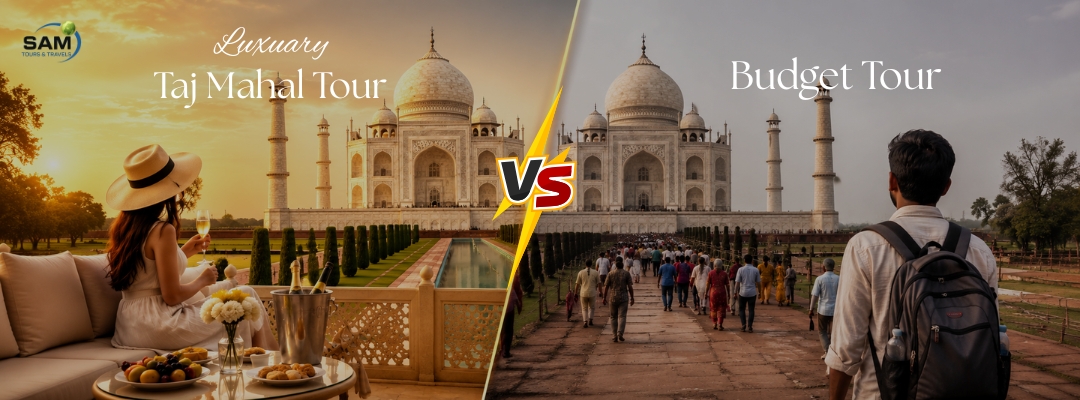
Some travelers prefer luxury experiences with premium hotels, private guides, and comfortable transport. Others choose budget tours to save money while still enjoying the beauty of the Taj Mahal.

So, which option is better?

Should you spend extra money on a luxury Taj Mahal tour or save money with a budget tour?

This guide compares both travel styles to help you choose the best one for your needs.

What is a Luxury Taj Mahal Tour?

A luxury Taj Mahal tour focuses on comfort, convenience, and premium experiences.

These tours are designed for travelers who want a smooth and stress-free journey.

A luxury tour may include:

  • Private car with chauffeur
  • Premium hotel stay
  • Luxury dining experience
  • Personal travel guide
  • Fast and comfortable travel
  • Flexible itinerary

Many luxury travelers also choose sunrise or sunset visits for a peaceful experience.

The focus is on comfort and exclusivity.

What is a Budget Taj Mahal Tour?

A budget Taj Mahal tour is designed for travelers who want to explore Agra while spending less money.

These tours are practical and affordable.

A budget tour usually includes:

  • Shared transport or public transport
  • Budget hotels or no hotel stay
  • Group tours
  • Fixed itinerary
  • Limited extra services

This option works well for backpackers, students, and budget-conscious travelers.

Cost Comparison: Luxury vs Budget Tour

Cost is one of the biggest differences.

Luxury Taj Mahal Tour Cost

Luxury tours generally cost more because of premium services.

Extra expenses may include:

  • Luxury transport
  • Hotel stay
  • Private guide
  • Fine dining
  • VIP experience

The higher price offers more comfort.

Budget Taj Mahal Tour Cost

Budget tours are much cheaper.

You can save money by:

  • Using train or bus travel
  • Choosing shared tours
  • Skipping luxury hotels
  • Eating at affordable places

This makes it ideal for travelers on a limited budget.

Luxury Taj Mahal Tour vs Budget Tour: Which One is Worth It?

Travel Comfort Comparison

Comfort matters, especially during long travel hours.

Luxury Tour Comfort

Luxury travel provides:

  • Air-conditioned private vehicles
  • Relaxed schedule
  • Comfortable seating
  • Hotel relaxation time

This is especially useful for:

  • Families
  • Couples
  • Senior travelers

Budget Tour Comfort

Budget travel can be more tiring.

You may experience:

  • Crowded transport
  • Fixed schedules
  • Less flexibility
  • More walking

However, many travelers still enjoy the adventure.

Travel Experience: Which Feels Better?

The travel experience depends on your expectations.

Luxury Experience

Luxury tours feel smooth and organized.

You spend less time worrying about logistics.

Everything is planned for you.

This gives more time to enjoy:

  • Photography
  • Relaxation
  • Fine dining
  • Comfortable sightseeing

Budget Experience

Budget travel feels more adventurous.

You may explore:

  • Local markets
  • Street food
  • Public transport experience

Some travelers enjoy this authentic side of travel.

Photography Experience

Photography lovers may prefer luxury tours.

Why?

Because luxury packages often allow:

  • Flexible timing
  • Sunrise photography
  • Less rushed schedules

Budget tours sometimes feel rushed, especially same-day trips.

Food and Dining Comparison

Luxury tours usually include premium restaurants.

You may enjoy:

  • Comfortable dining
  • Better service
  • Famous restaurants

Budget travelers often prefer:

  • Local cafés
  • Street food
  • Affordable restaurants

Both experiences can be enjoyable depending on your preference.

Who Should Choose a Luxury Taj Mahal Tour?

Luxury travel is best for:

  • Couples
  • Honeymoon travelers
  • Families with kids
  • Senior citizens
  • Luxury travel lovers

If comfort matters more than money, luxury travel is a great choice.

Who Should Choose a Budget Taj Mahal Tour?

Budget tours are best for:

  • Solo travelers
  • Students
  • Backpackers
  • Budget-conscious tourists

If your goal is to see the Taj Mahal without spending too much, budget travel works well.

Luxury Taj Mahal Tour vs Budget Tour: Quick Comparison

Feature Luxury Tour Budget Tour
Cost Higher Lower
Comfort Premium Basic
Flexibility More Limited
Transport Private Shared
Experience Relaxed Fast-paced
Photography Better timing Limited timing

Which Taj Mahal Tour is Worth It?

There is no perfect answer.

The right choice depends on:

  • Budget
  • Comfort preference
  • Travel style
  • Available time

Choose a luxury tour if you want comfort and convenience.

Choose a budget tour if you want affordability and simple travel.

Both options allow you to experience one of the world’s most beautiful monuments.

Final Thoughts

The Taj Mahal is unforgettable no matter how you visit it.

Luxury tours provide comfort, premium service, and flexibility. Budget tours offer affordability and adventure.

Before booking, think about what matters most to you.

If comfort matters, choose luxury.

If saving money matters, choose budget.

Either way, the beauty of the Taj Mahal will make your trip memorable.

The Taj Mahal is one of the most beautiful monuments in the world. Every year, millions of people visit Agra to see this famous symbol of love.

Most travel guides tell you basic things like ticket prices, opening hours, and how to reach the Taj Mahal. However, there are many useful travel tips that people rarely talk about.

These small details can make a huge difference in your experience.

If you want to avoid crowds, save time, take better photos, and enjoy a smoother trip, this guide is for you.

Here are the Taj Mahal travel tips nobody tells you.

Reach Earlier Than You Think

Many travelers know that early morning is the best time to visit. But what people do not tell you is that arriving exactly at opening time is often too late.

Try to reach at least 30 to 45 minutes earlier.

Why?

Because:

  • Security lines can get long
  • Tour groups arrive early
  • Entry gates become crowded quickly

An early arrival helps you enjoy a peaceful atmosphere.

It also gives you better photography opportunities.


Do Not Choose the Wrong Entry Gate

The Taj Mahal has multiple entry gates.

Most tourists simply follow crowds without planning.

This can waste a lot of time.

East Gate

Usually less crowded in the morning.

West Gate

Often busier because many local visitors use it.

South Gate

Limited access depending on timing.

Choosing the right gate can save valuable time.


Carry Less, Not More

Many visitors bring unnecessary items.

This becomes a problem during security checks.

The Taj Mahal has strict rules about what you can carry inside.

Bring only essentials:

  • Phone or camera
  • Wallet
  • Water bottle
  • Important documents

Avoid large bags if possible.

The lighter you travel, the faster your entry will be.


Avoid Midday Visits

This is one of the biggest mistakes tourists make.

Between 10 AM and 3 PM:

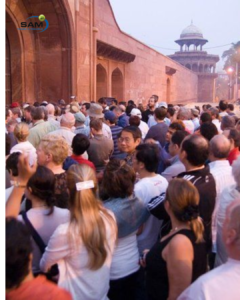
  • The crowd becomes heavy
  • Weather becomes hot
  • Photography lighting gets harsh

Many visitors struggle with heat during summer.

If possible, choose:

  • Early morning
  • Late afternoon

These times are much more comfortable.


The Famous Bench Photo Spot Gets Crowded Fast

Almost everyone wants the classic bench photo in front of the Taj Mahal.

But nobody tells you how crowded it gets.

The line can become very long during peak hours.

The best trick?

Visit early.

You will get cleaner photos and spend less time waiting.


Wear Comfortable Shoes

This sounds simple, but many travelers ignore it.

The Taj Mahal complex is larger than many people expect.

You may walk a lot while exploring:

  • Gardens
  • Main pathways
  • Photography spots
  • Side structures

Comfortable shoes make the visit much easier.


Fog Can Affect Winter Visits

Winter is popular for Taj Mahal travel.

However, there is one hidden problem.

Heavy morning fog.

Sometimes visitors arrive for sunrise but cannot see the monument clearly.

The fog usually improves later in the morning.

Check weather conditions before planning sunrise visits in winter

Taj Mahal Travel Tips Nobody Tells You: Smart Tips for a Better Visit


Keep Your Camera Ready at the Entrance Gate

One of the best views of the Taj Mahal appears before you even fully enter.

As you walk through the main entrance gate, the monument suddenly appears in front of you.

Many travelers miss this moment.

Keep your phone or camera ready.

This creates one of the best photos of the trip.


Weekdays Are Much Better Than Weekends

This is an underrated travel tip.

Weekends become very crowded.

You may face:

  • Long entry lines
  • More waiting time
  • Crowded photo spots

Tuesday, Wednesday, and Thursday are usually better days for visiting.

You will enjoy a calmer experience.


Local Guides Can Save Time

Many people avoid hiring guides.

However, a good guide can actually improve your trip.

They can help you:

  • Navigate quickly
  • Find better photography spots
  • Understand historical details
  • Avoid confusion inside the complex

Choose a licensed guide if possible.


Mehtab Bagh Gives a Different View

Most tourists only visit the Taj Mahal itself.

Few people know about Mehtab Bagh.

This garden sits across the Yamuna River.

It offers:

  • Unique Taj Mahal views
  • Sunset photography
  • Less crowded environment

It is worth adding to your trip.


Do Not Rush Through the Visit

Many travelers finish the Taj Mahal visit too quickly.

Take time to enjoy:

  • Marble details
  • Architecture
  • Gardens
  • Different viewing angles

Sometimes the best experience comes from slowing down.


Carry Cash for Small Expenses

Although digital payments are common, small vendors may prefer cash.

Keep small cash amounts for:

  • Snacks
  • Water
  • Local shopping
  • Parking fees

This avoids unnecessary problems.


Summer Visits Need Extra Planning

Agra becomes very hot during summer.

If visiting between April and June:

  • Carry water
  • Wear light clothes
  • Use sunscreen
  • Visit early morning only

Heat can make long visits uncomfortable.


Photography Is Better During Soft Light

Good photos depend on lighting.

The best lighting happens:

  • Early morning
  • Late afternoon

Avoid harsh afternoon sunlight.

Soft light makes the white marble look much better.


Avoid Public Holidays

This tip saves a lot of stress.

Crowd levels become very high during:

  • Long weekends
  • National holidays
  • Festival seasons

If possible, avoid these dates.

Your experience will feel much smoother.


Final Thoughts

The Taj Mahal is beautiful at any time of year. But smart planning can completely improve your experience.

Simple things like arriving early, choosing the right gate, avoiding peak hours, and carrying fewer items make a big difference.

These Taj Mahal travel tips nobody tells you can help you save time, avoid stress, and enjoy a better visit.

A little planning goes a long way when visiting one of the world’s most famous monuments.

The Taj Mahal is one of the most photographed monuments in the world. Every traveler who visits Agra wants the perfect picture in front of this beautiful white marble monument.

However, many visitors return home disappointed with their photos. Poor lighting, heavy crowds, wrong camera angles, and bad timing often ruin the experience.

The good news is that you do not need to be a professional photographer to capture amazing Taj Mahal photos. With the right timing, camera angles, and simple photography tips, anyone can take stunning pictures.

In this guide, you will learn how to photograph the Taj Mahal like a professional. Whether you use a smartphone or a DSLR camera, these tips will help you capture beautiful memories.

Why the Taj Mahal is Perfect for Photography

The Taj Mahal is one of the best places for photography because of its unique beauty.

It offers:

  • Beautiful white marble details
  • Symmetrical architecture
  • Reflection photography opportunities
  • Natural gardens and pathways
  • Different lighting throughout the day

Every hour creates a different look. That is why photographers love visiting the Taj Mahal.

Best Time for Taj Mahal Photography

Timing is the most important part of photography.

The same monument can look completely different depending on the hour of the day.

Sunrise Photography

Sunrise is the best time to photograph the Taj Mahal.

Why?

  • Soft natural light
  • Smaller crowd
  • Pleasant weather
  • Golden sky colors

The early morning light creates a magical glow on the white marble.

This is the perfect time for professional-looking pictures.

Morning Hours (8 AM – 10 AM)

Morning light is still good.

The monument becomes brighter and details look sharper.

However, the crowd starts increasing.

You may need patience to get clean shots.

Midday Photography

Midday is usually not ideal.

The sunlight becomes harsh.

Problems include:

  • Strong shadows
  • Overexposed images
  • Too many visitors

Photos may look flat during this time.

How to Take Professional Taj Mahal Photos: Best Angles, Lighting & Photography Tips

Sunset Photography

Sunset is another great option.

The soft evening light creates warm tones.

The marble often changes color slightly depending on the sky.

This creates dramatic photos.

Best Angles to Photograph the Taj Mahal

Choosing the right angle makes a huge difference.

Here are some of the best photo angles.

Front Reflection Shot

This is one of the most famous Taj Mahal photos.

Stand near the reflecting pool in the center.

Tips:

  • Use symmetry carefully
  • Keep the Taj Mahal centered
  • Capture reflections in water

This angle looks professional and timeless.

Main Gate Frame Shot

Before entering the main garden, stop at the large entrance gate.

The gate naturally frames the Taj Mahal.

This creates a cinematic effect.

It is one of the most beautiful viewpoints.

How to Take Professional Taj Mahal Photos: Best Angles, Lighting & Photography Tips

Side Angle Photography

Most tourists only take front photos.

Try side angles for unique shots.

Benefits include:

  • Less crowd in background
  • Creative composition
  • Better depth in images

Walk around the side gardens and experiment.

Bench Photography Spot

The famous white bench area is very popular.

Many iconic Taj Mahal photos are taken here.

Tips for better results:

  • Visit early morning
  • Avoid crowded hours
  • Try natural poses

Do not rush your photos here.

How to Take Professional Taj Mahal Photos: Best Angles, Lighting & Photography Tips

Low Angle Photography

Low-angle shots make the Taj Mahal look bigger and more dramatic.

Simply lower your phone or camera slightly.

This technique creates professional-looking results.

Reflection Photography

Water reflections can make photos look stunning.

Try capturing:

  • Reflecting pool images
  • Rain puddle reflections during monsoon

Reflections add a premium look to photographs.

Smartphone Photography Tips for the Taj Mahal

You do not need an expensive camera.

Modern smartphones can capture amazing photos.

Use Portrait Mode Carefully

Portrait mode works best for people.

However, avoid using too much blur around the monument.

Natural photos look better.

Clean Your Camera Lens

Many blurry photos happen because of a dirty lens.

Always clean your lens before shooting.

Avoid Digital Zoom

Instead of zooming:

  • Walk closer
  • Crop later

Zooming reduces quality.

Turn On Grid Lines

Grid lines help composition.

Use the rule of thirds for better framing.

DSLR Camera Tips for Taj Mahal Photography

If you use a DSLR or mirrorless camera, these tips help.

Use a Wide Lens

A wide-angle lens captures the monument better.

This helps include:

  • Full structure
  • Gardens
  • Reflection pool

Shoot in RAW Format

RAW images store more details.

This makes editing easier later.

Use Lower ISO in Daylight

Low ISO gives cleaner photos.

Daylight at the Taj Mahal is bright enough.

Carry Extra Battery

Photography sessions can be long.

Always carry backup batteries.

Best Photography Spots Around the Taj Mahal

Photography is not limited to inside the monument.

Try these nearby spots.

Mehtab Bagh

Located across the river.

Offers:

  • Unique backside view
  • Sunset photography
  • Less crowd

This is a favorite place for photographers.

Taj Nature Walk

This place gives elevated angles.

It is perfect for unique compositions.

Agra Fort Viewpoint

Some areas of Agra Fort offer distant Taj Mahal views.

This creates storytelling-style photographs.

Common Photography Mistakes to Avoid

Many visitors repeat the same mistakes.

Avoid these:

  • Visiting at noon
  • Taking only front-facing photos
  • Ignoring lighting conditions
  • Standing in crowded spots too long
  • Over-editing images

Simple and natural photos often look best.

Best Season for Taj Mahal Photography

Winter (October to March)

Best season for photography.

Benefits:

  • Pleasant weather
  • Clear sky
  • Comfortable shooting experience

Monsoon (July to September)

Beautiful for dramatic skies.

The monument looks fresh after rain.

Summer (April to June)

Very hot weather.

Morning visits work best.

Photography Rules at the Taj Mahal

Before visiting, remember basic rules:

  • Respect monument guidelines
  • Avoid restricted areas
  • Follow photography permissions
  • Keep equipment simple for easy movement

Always check updated entry rules before visiting.

Final Thoughts

Photographing the Taj Mahal is not only about having a good camera. It is about timing, patience, and creativity.

The best photos come from:

  • Good lighting
  • Smart angles
  • Early timing
  • Simple composition

Whether you use a smartphone or a professional camera, you can capture amazing Taj Mahal memories.

Plan your visit carefully, choose the right spot, and enjoy photographing one of the world’s most beautiful monuments.

The Taj Mahal is one of the most popular travel destinations in India. Every year, millions of tourists visit Agra to see this beautiful monument.

However, many travelers face one common question before planning their trip:

Should you choose an overnight Taj Mahal tour or a same-day tour?

Both options have benefits. The right choice depends on your budget, schedule, comfort, and travel style.

In this guide, we compare both tour options to help you decide which one is better for your trip.


What is a Same-Day Taj Mahal Tour?

A same-day Taj Mahal tour means you travel to Agra and return on the same day.

Many tourists start from Delhi early in the morning and come back at night.

A typical same-day tour includes:

  • Travel from Delhi to Agra
  • Taj Mahal visit
  • Agra Fort sightseeing
  • Lunch break
  • Return journey

This option is popular among travelers with limited time.


What is an Overnight Taj Mahal Tour?

An overnight tour means staying in Agra for one or more nights.

This gives you extra time to explore the city without rushing.

An overnight tour may include:

  • Taj Mahal visit at sunrise or sunset
  • Agra Fort exploration
  • Mehtab Bagh visit
  • Local food experience
  • Shopping in Agra markets
  • Comfortable hotel stay

This option gives a slower and more relaxed experience.


Same-Day Taj Mahal Tour: Pros and Cons

Let’s look at the advantages and disadvantages.

Advantages of a Same-Day Tour

Saves Time

This is the biggest benefit.

If you have limited vacation days, a same-day trip works perfectly.

You can complete the tour in one day.


Budget Friendly

A same-day tour usually costs less.

You save money on:

  • Hotel stay
  • Extra meals
  • Additional transport costs

This makes it a good option for budget travelers.


Perfect for Business Travelers

Many people visiting Delhi for work choose a same-day Agra trip.

It fits easily into a busy schedule.


Easy Planning

Most travel companies offer same-day packages.

Everything is usually included:

  • Transport
  • Guide
  • Entry tickets
  • Sightseeing

Disadvantages of a Same-Day Tour

Can Feel Rushed

The biggest problem is limited time.

You may feel tired from:

  • Early morning travel
  • Busy schedule
  • Long road or train journey

Sometimes visitors do not get enough time for photography or relaxation.


Less Time for Agra Exploration

You may miss important places like:

  • Mehtab Bagh
  • Local markets
  • Traditional food spots

The focus stays mainly on the Taj Mahal.


Travel Fatigue

Traveling to Agra and returning on the same day can be tiring.

Especially if you are traveling with children or senior citizens.


Overnight Taj Mahal Tour: Pros and Cons

Now let’s compare the overnight option.

Advantages of an Overnight Tour

Relaxed Experience

This is the biggest advantage.

You can explore Agra without hurry.

There is enough time to enjoy every location peacefully.


Better Taj Mahal Experience

Many travelers prefer sunrise at the Taj Mahal.

Early morning offers:

  • Fewer crowds
  • Better photography
  • Pleasant weather

You cannot always enjoy this in a same-day tour.


Explore More Places

An overnight stay allows you to visit:

  • Agra Fort
  • Mehtab Bagh
  • Fatehpur Sikri
  • Local markets

This gives a complete Agra experience.


More Comfortable

You get time to relax at a hotel.

This is especially helpful for:

  • Families
  • Couples
  • Senior travelers

Disadvantages of an Overnight Tour

Higher Cost

Overnight tours cost more.

You may spend extra money on:

  • Hotel accommodation
  • Food
  • Local transport

Takes More Time

You need at least two days.

This may not work for people with busy schedules.


Same-Day vs Overnight Taj Mahal Tour: Quick Comparison

Factor Same-Day Tour Overnight Tour
Time Required 1 Day 2 Days or More
Budget Lower Cost Higher Cost
Comfort Less Comfortable More Relaxed
Photography Time Limited Better
Local Exploration Limited More Places
Best For Busy Travelers Leisure Travelers

Who Should Choose a Same-Day Tour?

A same-day Taj Mahal tour is best for:

  • Travelers with limited time
  • Budget tourists
  • Business visitors in Delhi
  • Short vacation travelers

If your goal is to see the Taj Mahal quickly, this option works well.


Who Should Choose an Overnight Tour?

An overnight tour is best for:

  • Couples
  • Families
  • Senior citizens
  • Photography lovers
  • Travelers who enjoy relaxed sightseeing

If you want a complete Agra experience, choose overnight travel.


Which Tour is Better?

There is no single answer.

The better option depends on your travel style.

Choose a same-day Taj Mahal tour if:

  • You are short on time
  • You want a quick visit
  • You have a limited budget

Choose an overnight Taj Mahal tour if:

  • You want a relaxed experience
  • You love photography
  • You want to explore Agra deeply

Both tours are good. It simply depends on what type of trip you prefer.


Final Thoughts

The Taj Mahal is worth visiting no matter which option you choose.

A same-day trip is fast and convenient. An overnight stay is calm and more enjoyable.

Before booking, think about your:

  • Budget
  • Time availability
  • Travel comfort
  • Sightseeing goals

Once you decide these things, choosing the right Taj Mahal tour becomes easy.


The Taj Mahal is one of the most famous monuments in the world. It is located in Agra, India, and attracts millions of visitors every year.

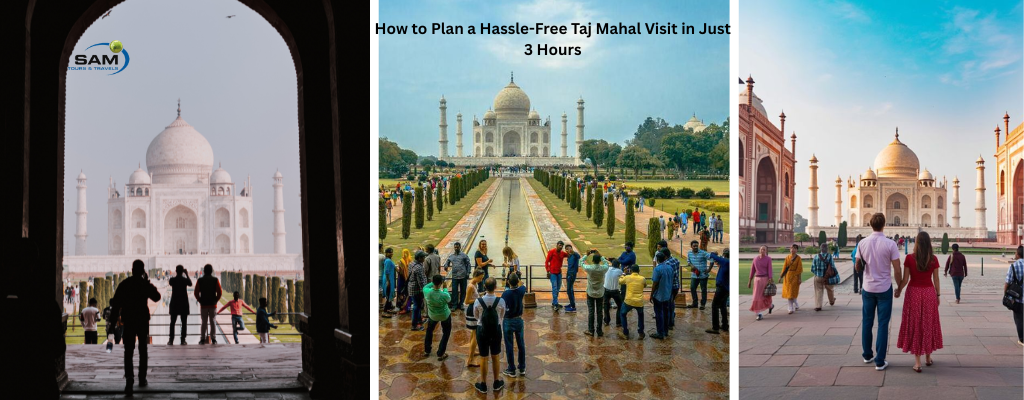
Many tourists think they need a full day to explore it. However, with proper planning, you can enjoy a complete visit in just three hours.

This guide will help you plan your time, avoid crowds, and explore the Taj Mahal without stress.


Can You Really Visit the Taj Mahal in 3 Hours?

Yes, it is possible to visit the Taj Mahal in 3 hours.

The complex is well organized and easy to explore. If you manage your time properly, you can see all the main areas without rushing too much.

In three hours, you can:

  • Enter the monument
  • Explore the main mausoleum
  • Walk through the gardens
  • Take photographs
  • Enjoy different viewpoints
  • Exit comfortably

Without planning, however, you may lose time in queues and crowds.


Best Time for a 3-Hour Taj Mahal Visit

Choosing the right time is very important for a short visit.

Early Morning

Early morning is the best time for visiting the Taj Mahal.

  • Crowd is low
  • Weather is pleasant
  • Lighting is good for photography
  • Security checks are faster

This is the most recommended time for a smooth experience.


Evening

Evening is also a good option.

  • Crowd becomes moderate
  • Temperature is comfortable
  • Lighting is soft for photos

However, it can still be slightly busy depending on the season.


Times to Avoid

You should avoid:

  • 10 AM to 3 PM (peak crowd hours)
  • Weekends (Saturday and Sunday)
  • Public holidays
  • Peak tourist season rush

These times can significantly delay your visit.


Step-by-Step 3-Hour Taj Mahal Visit Plan

Here is a simple and practical plan you can follow.


First Hour: Entry and First View

The first hour is mainly for entry and initial exploration.

Start by reaching the entry gate early. Complete the security check and ticket process.

After entering:

Security checks may take some time during busy hours, so plan accordingly.


Second Hour: Main Exploration

This is the most important part of your visit.

During this hour:

  • Walk toward the main mausoleum
  • Observe marble architecture and carvings
  • Explore the central structure
  • View the monument from different angles
  • Visit side structures inside the complex

Move at a steady pace but avoid staying too long in one place.


Third Hour: Photography and Exit

The final hour should be relaxed and focused on experience.

You should:

  • Visit quieter areas of the garden
  • Take final photographs
  • Enjoy different viewpoints
  • Start moving toward the exit on time

It is important not to rush at the end. Begin exit preparation at least 15 minutes early.


Best Entry Gates for Faster Access

The Taj Mahal has multiple entry gates.

East Gate

This gate is often less crowded in the early morning and is preferred by many tourists.

West Gate

This gate usually has more local visitors and can be busier.

South Gate

This gate has limited access at certain times.

Choosing the right gate can help you save time during entry.


Tips to Save Time During Your Visit

Book Tickets Online

Online ticket booking is very important.

It helps you:

  • Avoid long queues
  • Enter faster
  • Save time during peak season

Carry Only Essentials

Security checks are strict.

Carry only:

  • Phone or camera
  • Water bottle
  • Wallet or ID

Avoid large bags or unnecessary items.


Plan Your Route Before Entering

Do not enter without a plan.

  • Decide photo spots in advance
  • Follow a simple route
  • Avoid unnecessary backtracking

This helps save time inside the complex.


Follow a One-Way Movement

Move in one direction while exploring.

Start from the entrance, move toward the main mausoleum, and then proceed to gardens and exit.

This prevents confusion and saves time.


Avoid Crowded Days

Try to avoid:

  • Weekends
  • Public holidays
  • Festival seasons
  • School vacation periods

These days are very crowded and slow down movement.


Consider Hiring a Guide

A local guide can help you:

  • Enter and move faster
  • Understand the monument better
  • Find good photography spots

This is optional but useful for first-time visitors.


What You Can See in 3 Hours

Even with limited time, you can explore:

  • Main Taj Mahal structure
  • Gardens and pathways
  • Reflecting pool view
  • Marble artwork and design
  • Side buildings and viewpoints

A planned visit ensures you do not miss key areas.


Common Mistakes to Avoid

Many visitors waste time due to simple mistakes.

Avoid:

  • Arriving late
  • Not booking tickets online
  • Carrying heavy bags
  • Spending too much time in one spot
  • Visiting during peak hours
  • Entering without a plan
  • Avoiding these mistakes makes your visit smooth.

Taj Mahal Visit in 3 Hours: Complete Travel Guide


Why a 3-Hour Plan Works

A 3-hour plan works well because:

  • The complex is easy to navigate
  • Main attractions are close to each other
  • Movement paths are simple
  • Entry and exit are well organized

With proper planning, three hours is enough.


Final Thoughts

You do not need a full day to enjoy the Taj Mahal.

With proper planning, you can experience its beauty in just three hours.

The key is simple:

  • Arrive early
  • Avoid peak hours
  • Book tickets in advance
  • Follow a planned route
  • Stay organized

A well-planned visit will give you a smooth, peaceful, and memorable experience.